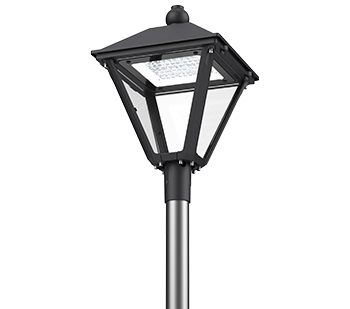
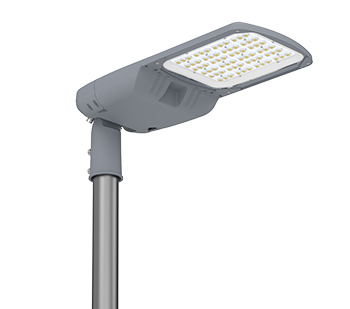
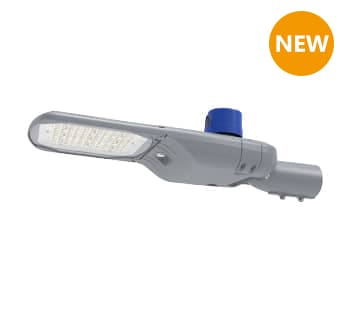
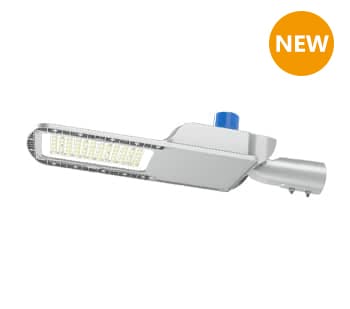
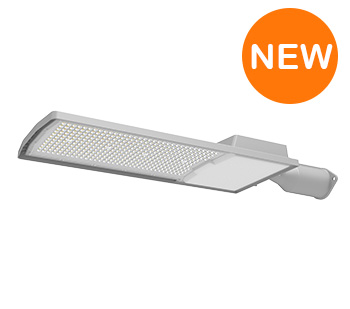
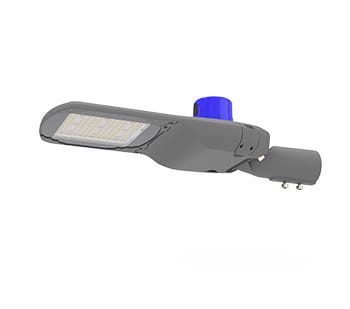
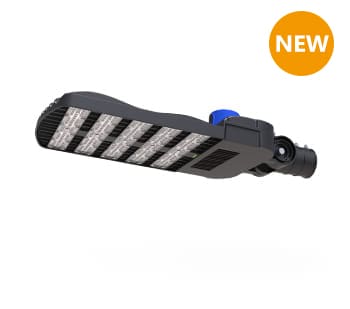
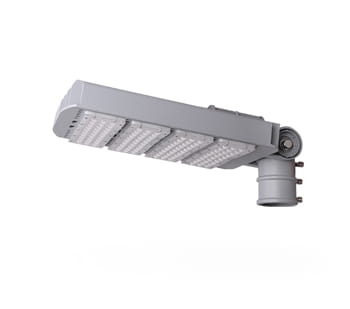
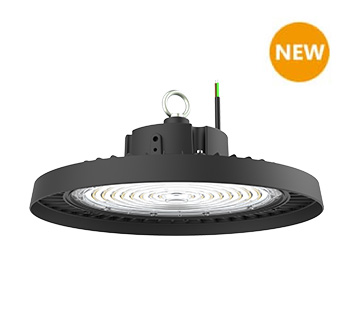
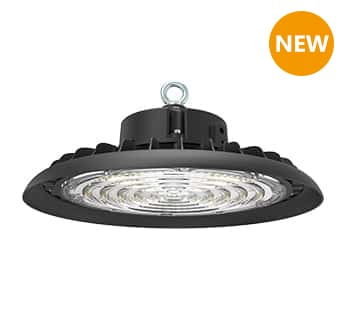
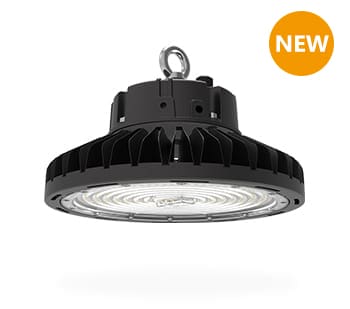
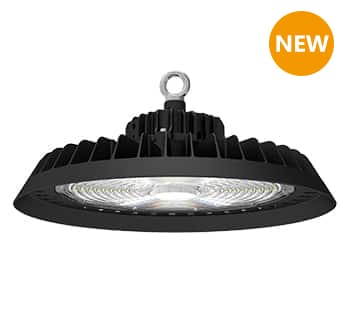
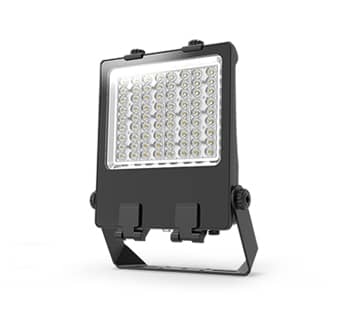
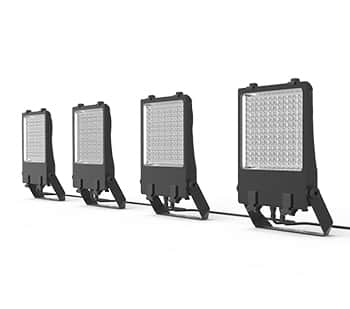
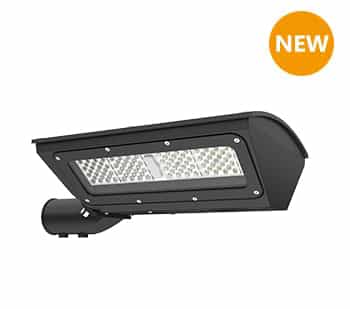
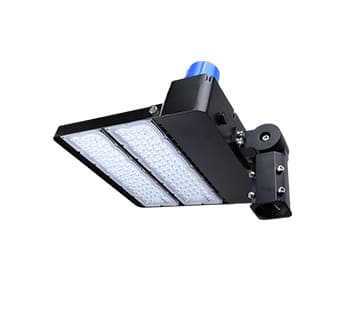
When it comes to effective street lighting, beam angle selection plays a crucial role in ensuring safety and visibility. A proper beam angle not only enhances the light distribution of Pluto LED Street Lights but also reduces energy consumption. In this guide, we will explore the critical factors influencing beam angle selection and provide insights into how to choose the most suitable angle for different environments.
Beam angles refer to the width of the light emitted from a fixture and are measured in degrees. Selecting the right beam angle is essential for various applications, as it impacts light intensity and coverage.
A beam angle is defined as the angle at which light is distributed from a light source. It significantly affects how the light is perceived in terms of brightness and coverage.
Selecting the right beam angle directly influences visibility, energy efficiency, and the overall effectiveness of street lighting. Here are some key points to consider:
The appropriate beam angle can enhance visibility, significantly reducing accidents and improving safety for pedestrians and vehicles alike.
By optimizing beam angles, energy consumption can be minimized, leading to cost savings over time.
| Beam Angle (Degrees) | Application | Best Use Case |
|---|---|---|
| 10° to 20° | Spot Lighting | Focused areas like bike paths or crosswalks |
| 30° to 40° | Flood Lighting | Larger areas such as parking lots |
| 60° to 90° | General Lighting | Main roadways and street intersections |
There are several influencing factors when choosing the beam angle for Pluto LED Street Lights:
Larger areas require wider beam angles to ensure even light distribution, while smaller spaces may benefit from higher intensity, narrower angles for focused light.
The height of the LED street lights influences the beam spread. Higher fixtures may need wider beam angles to cover more ground effectively.
Factors like trees, buildings, and other obstacles can affect the optimal beam angle choice, and customization may be needed for specific setups.
Below is a simple flow chart illustrating the decision-making process:
Selecting the right beam angle for Pluto LED Street Lights is paramount for ensuring effective lighting in any environment. By understanding the implications of beam angles and applying the steps outlined in this guide, you can enhance safety and efficiency for your lighting projects. Always consider the specifics of the area and type of use when making your final decision.
Share the Post
E-mail: william@lampshining.com
Contact Us


Copyright © Lamp Shining Manufacturing Co., Ltd. All Rights Reserved
 1
1