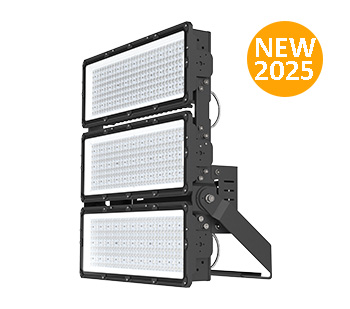
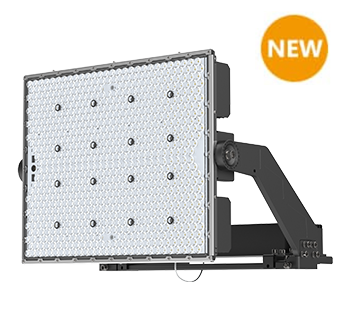
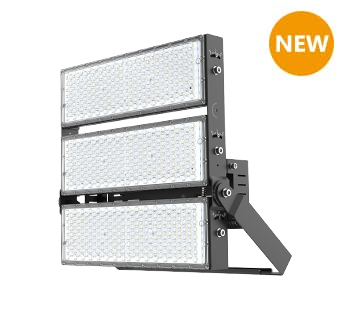
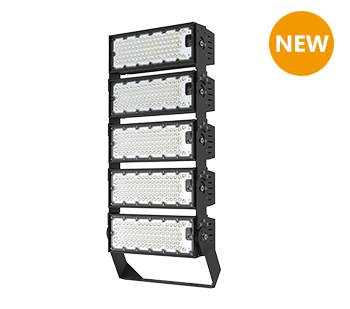
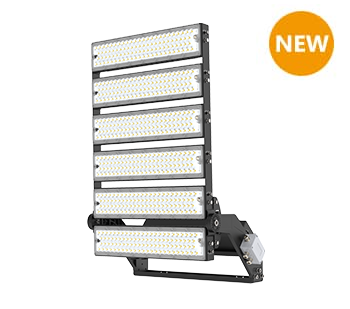
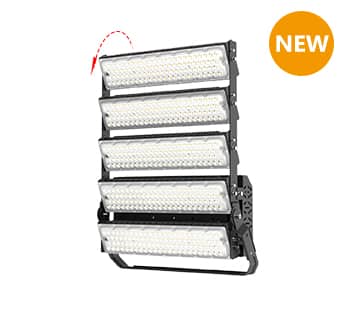
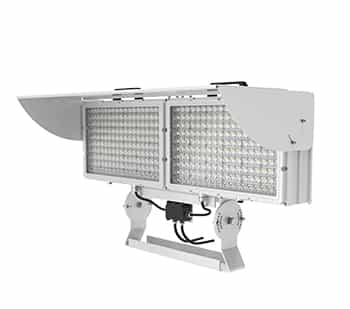
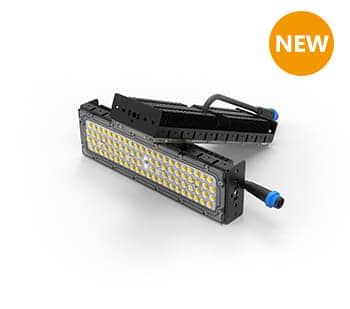
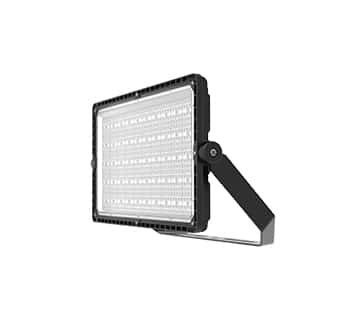
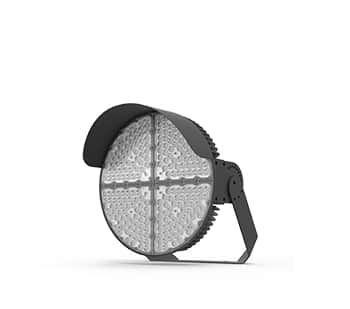
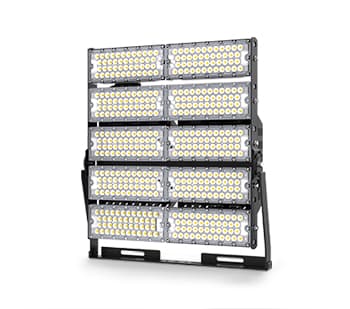
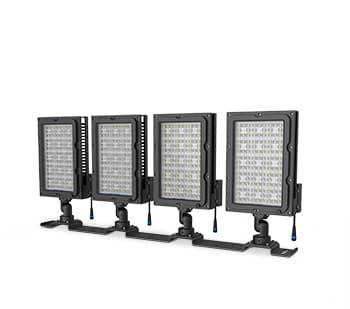
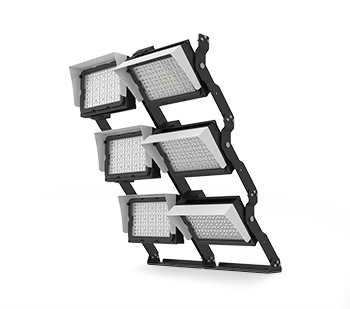
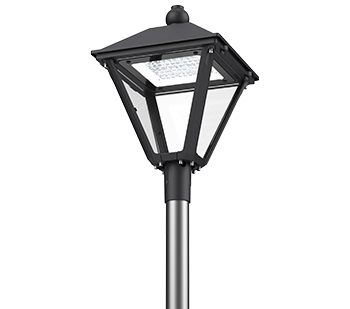
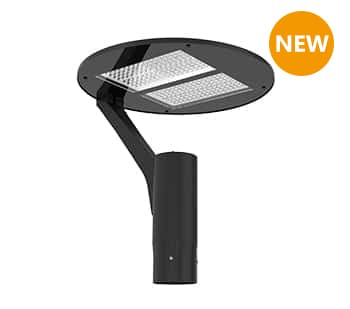
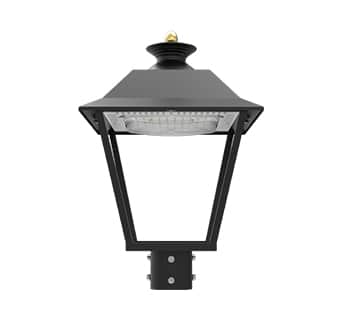
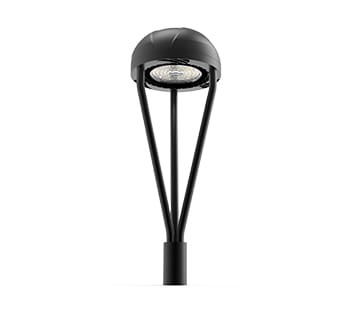
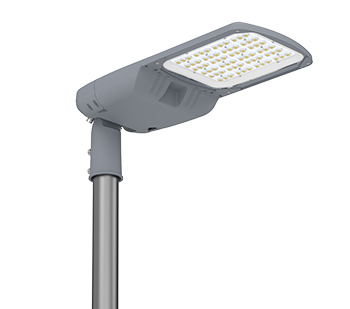
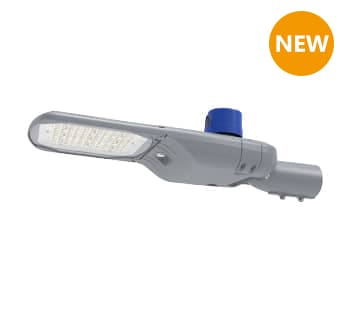
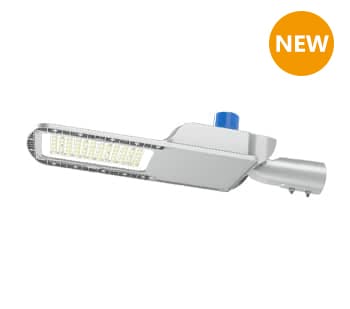
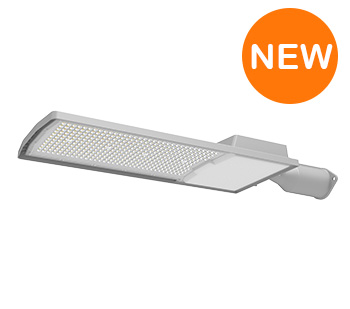
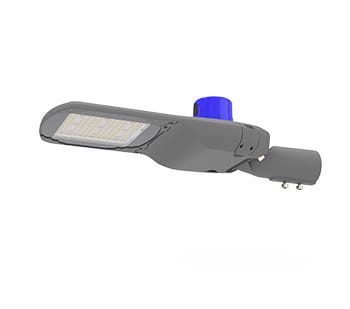
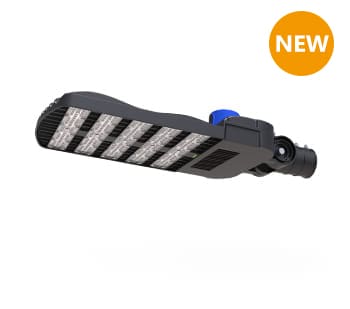
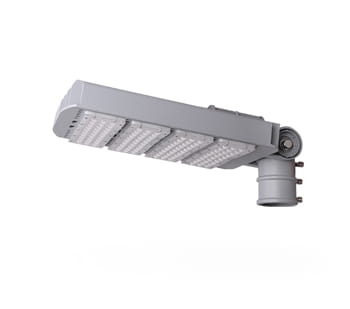
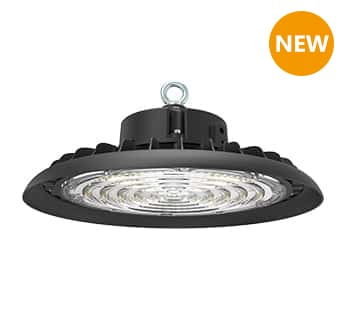
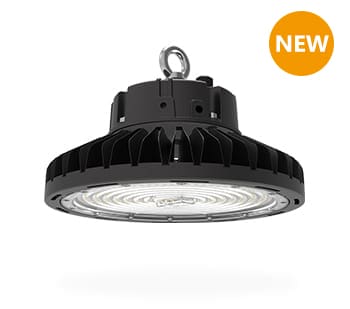
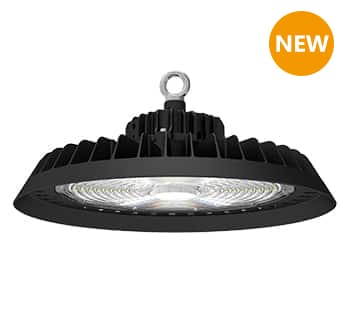
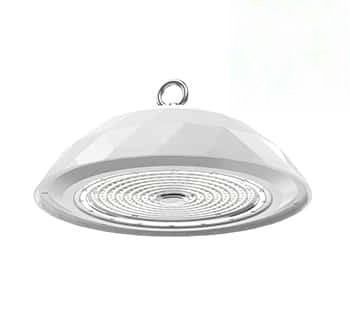
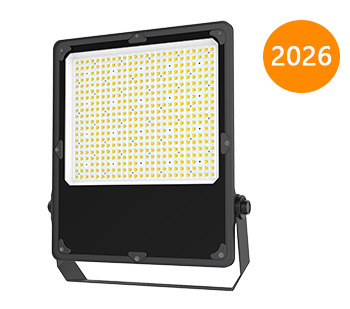
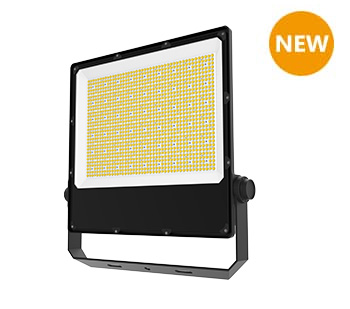
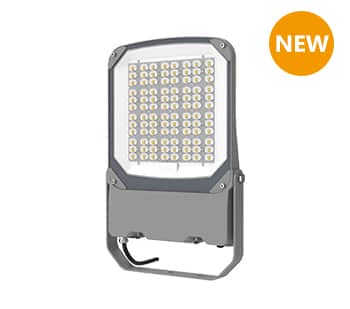
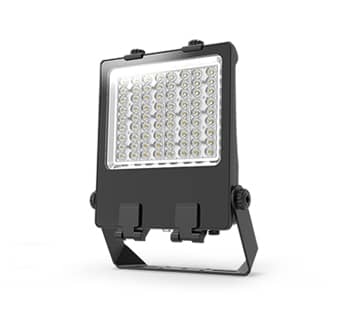
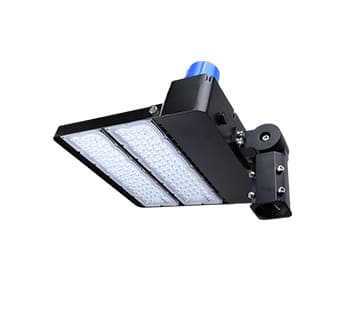
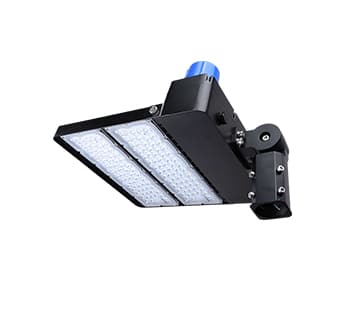
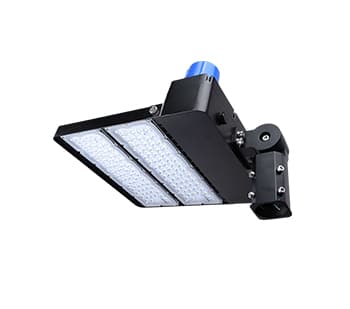
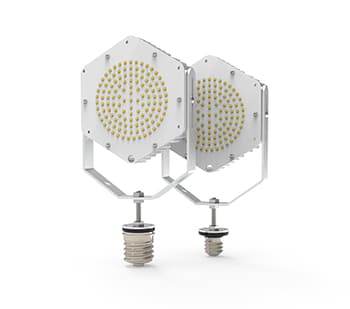
Choosing the right color temperature for Pluto LED street lights is crucial for ensuring safety, visibility, and energy efficiency. Color temperature is measured in Kelvin (K) and can significantly affect public spaces. The available options, ranging from warm white at 3000K to cool daylight at 6000K, create distinct lighting environments. Understanding these differences can help buyers and distributors make an informed decision that meets their specific needs.
Color temperature refers to the appearance of the light emitted by a source. It influences how we perceive the surroundings. Here’s a breakdown:
Warm white light at 3000K offers a cozy, inviting atmosphere suitable for residential areas. It enhances the ambiance without causing glare.
Neutral white light at 4000K balances between warm and cool, providing clarity and visibility. This is ideal for urban areas requiring effective illumination.
Cool white light between 5000K and 6000K produces a bright, crisp light that resembles daylight. This temperature is excellent for high-traffic areas such as highways and parking lots.
Selecting the appropriate color temperature is essential for various reasons including safety, energy efficiency, and aesthetics. Here’s how to approach the selection:
Choosing the right temperature minimizes accidents by enhancing visibility. Cool white light is preferable in dark environments as it allows clear sightlines.
Different LED street lights consume varying amounts of energy. Generally, higher Kelvin temperatures produce more lumens per watt, leading to increased efficiency.
The chosen temperature can impact the appearance and feel of an environment. Cool white lights make spaces feel larger and more secure, while warm lights can promote relaxation.
| Color Temperature (K) | Appearance | Best use case | Pros | Cons |
|---|---|---|---|---|
| 3000K | Warm White | Residential Areas | Inviting ambiance, reduces glare | Limited visibility at night |
| 4000K | Neutral White | Urban Areas | Versatile, good clarity | May lack the crispness of cool lights |
| 5000K | Cool White | Commercial Areas | Excellent visibility | Can feel harsh in some settings |
| 6000K | Daylight White | High-Traffic Zones | Bright, energizing | May cause light pollution |
Follow this process to choose the appropriate color temperature for your Pluto LED street lights:
Lampshining.com/data/watermark/20250922/68d09ff294d8a.jpg"/" alt="Color Temperature Selection for Pluto LED Street Lights (3000K–6000K)" title="Color Temperature Selection for Pluto LED Street Lights (3000K–6000K)" />Lampshining.com/data/watermark/20250922/68d09ff294d8a.jpg" alt="Color Temperature Selection Flow Chart" />
Buyers often have questions regarding color temperature selection. Here are some common queries:
The best color temperature depends on the application. For safety, cool white lights (5000K–6000K) are optimal.
Yes, different temperatures can evoke various emotional responses; warmer lights tend to create comfort, while cooler lights foster alertness.
Generally, higher color temperatures can produce more lumens per watt, making them more efficient.
Understanding color temperature is essential for selecting the right Pluto LED street lights. Factors include safety, energy efficiency, and aesthetic appeal. Engaging with the right color temperature can make a substantial difference in the quality of light provided in outdoor environments. Always consult with suppliers like Lampshining to ensure that the best lighting solutions are implemented for specific applications.
Share the Post
E-mail: william@lampshining.com
Contact Us


Copyright © Lamp Shining Manufacturing Co., Ltd. All Rights Reserved
 1
1