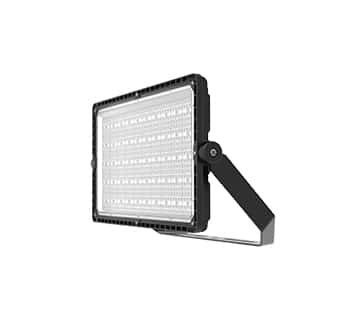
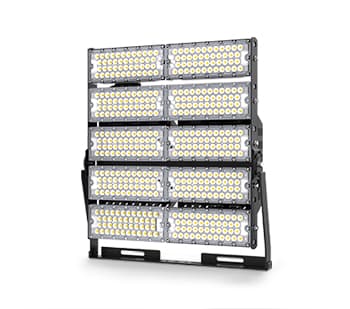
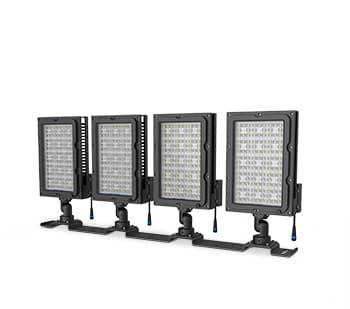
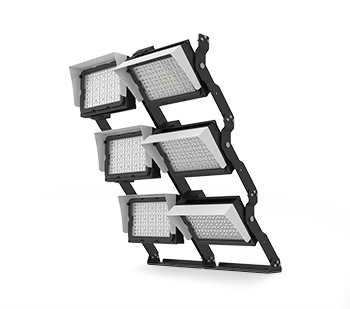
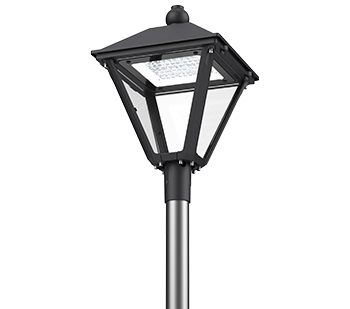
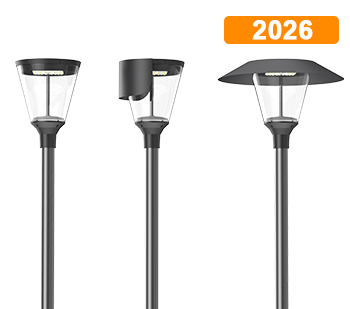
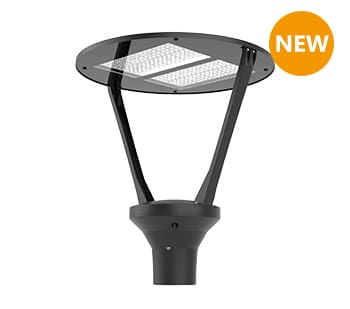
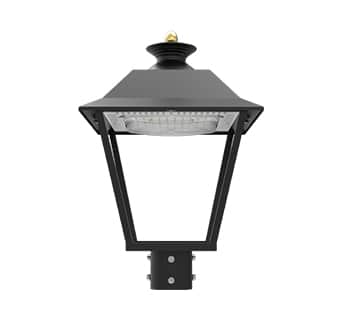
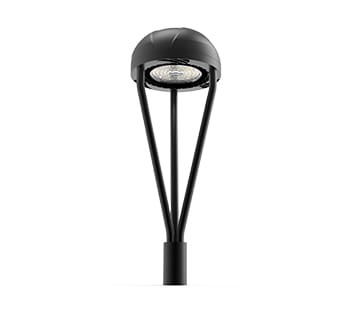
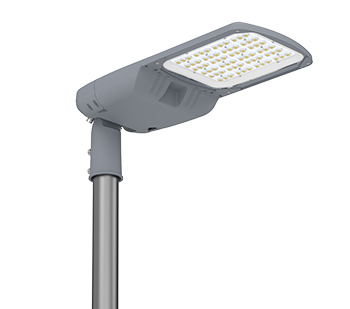
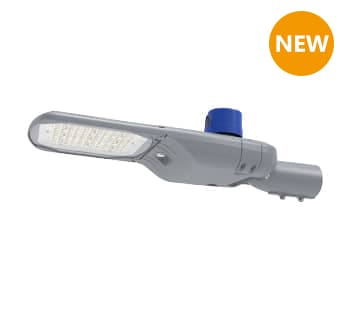
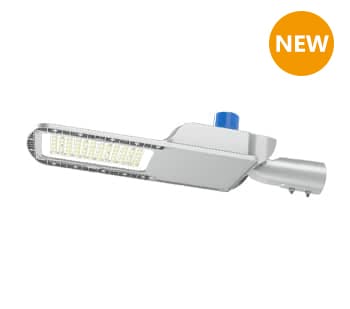
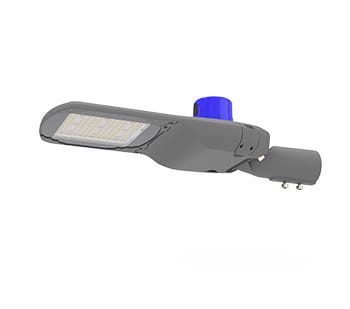
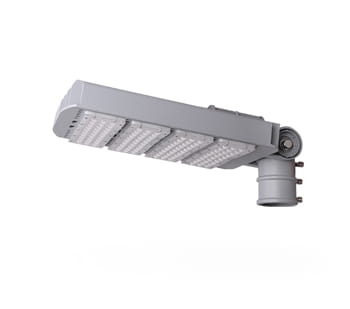
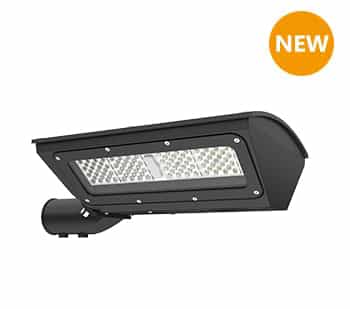
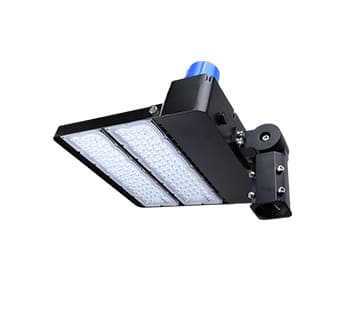
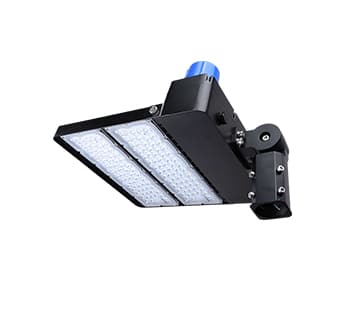
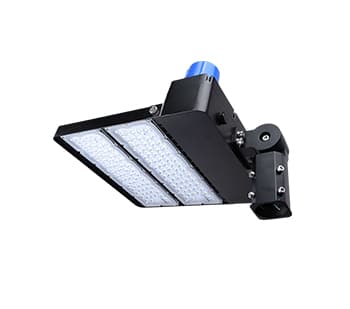
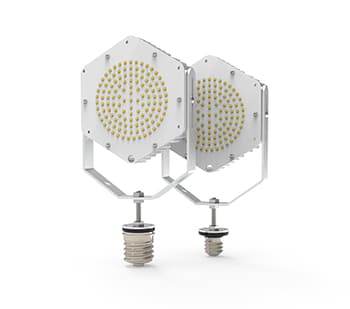
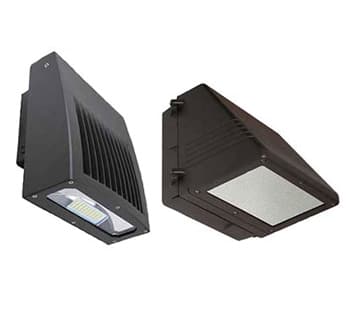
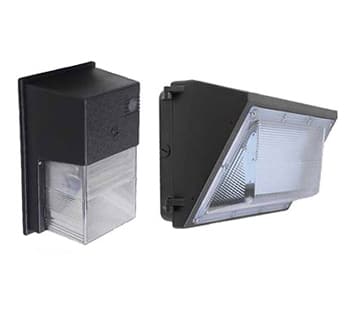
Cost comparison between Pluto LED street lights and induction lighting is essential for many communities. Smart lighting solutions can make a big difference in energy efficiency and overall expenses. For cities aiming to enhance their street lighting, choosing between LED and induction options can be challenging. This article will explore the benefits of Pluto LED street lights. It will also highlight the financial advantages of using LEDs over traditional induction lighting.
The cost comparison shows that Pluto LED street lights offer significant savings over induction lighting. They use less energy, require less maintenance, and last longer. Overall, switching to Pluto LED street lights can greatly reduce lighting costs for cities.
| Factors | Pluto LED Street Lights | Induction Lighting |
|---|---|---|
| Energy Consumption | 40-50% less | Standard consumption |
| Maintenance Costs | Lower | Higher |
| Initial Investment | Higher | Lower |
| Longevity | 50,000 hours+ | 24,000 hours |
In conclusion, the cost comparison between Pluto LED street lights and induction lighting indicates that LEDs are a better investment. They not only save energy but also reduce maintenance and long-term expenses. For cities looking to improve street lighting, Pluto LED street lights provide a clear advantage.
1. What are the main benefits of switching to Pluto LED street lights?
The main benefits include energy savings, lower maintenance costs, and longer lifespans.
2. Are there any downsides to LED street lights?
Initial costs may be higher, but the long-term savings generally outweigh these expenses.
3. How do Pluto LED street lights compare environmentally?
They are more eco-friendly, producing less heat and having longer lifespans than induction lighting.
4. Can communities expect a return on investment when switching to Pluto LED street lights?
Yes, communities can expect significant savings over time, making it a wise investment.
5. How often do Pluto LED street lights need maintenance?
They require much less maintenance compared to induction lighting, significantly reducing costs.
6. What factors should communities consider when choosing street lighting?
Communities should consider energy efficiency, maintenance costs, light quality, and environmental impact.
Share the Post
E-mail: william@lampshining.com
Contact Us


Copyright © Lamp Shining Manufacturing Co., Ltd. All Rights Reserved
 1
1