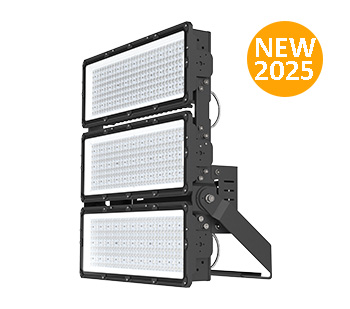
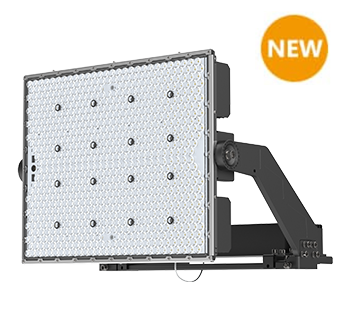
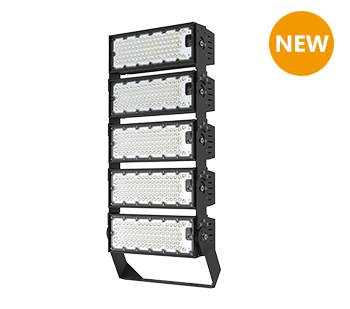
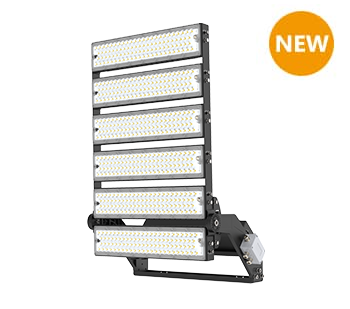
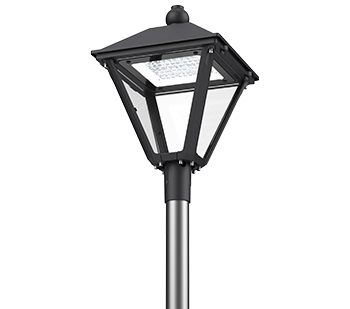
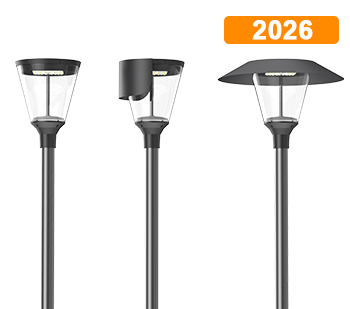
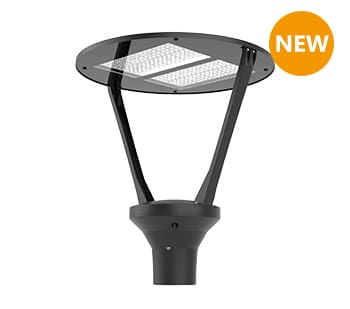
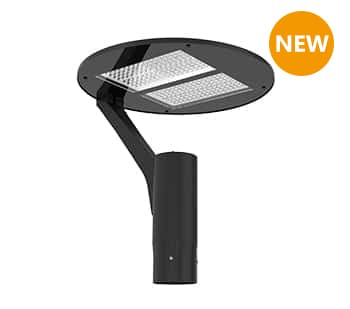
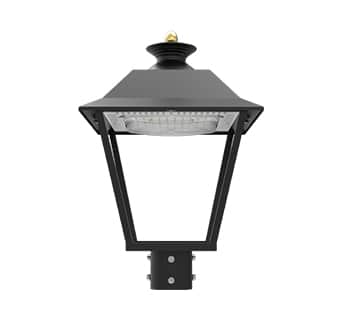
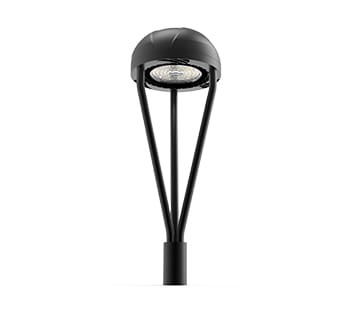
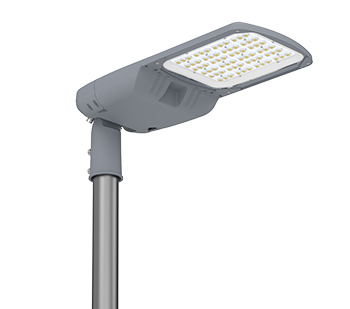
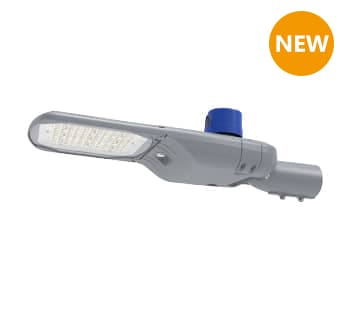
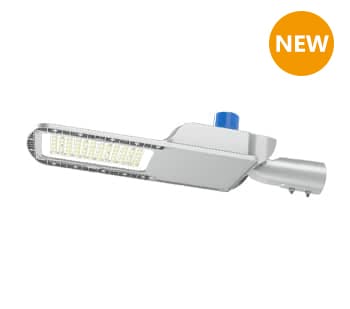
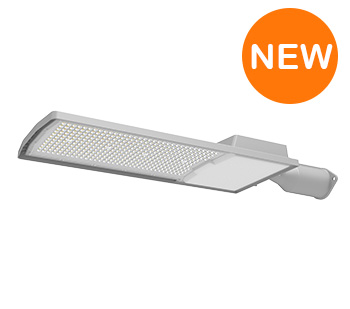
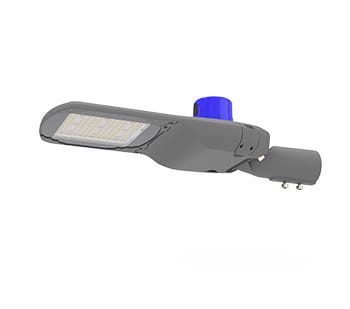
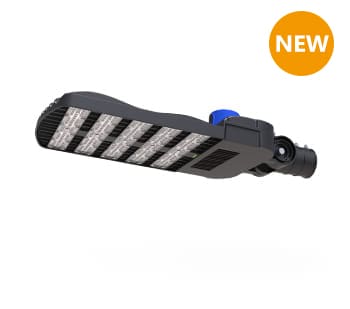
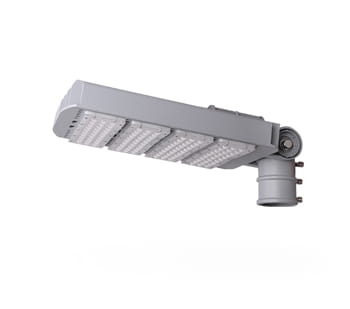
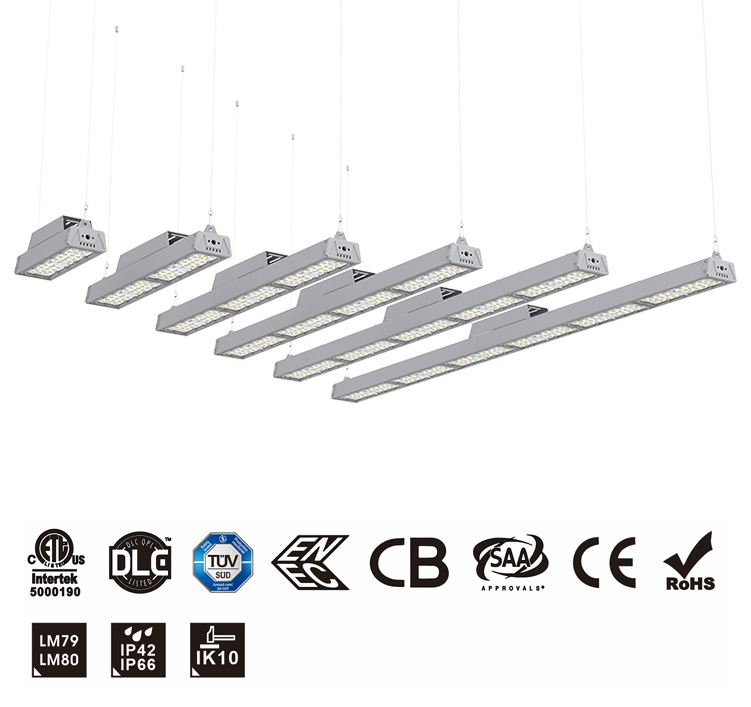
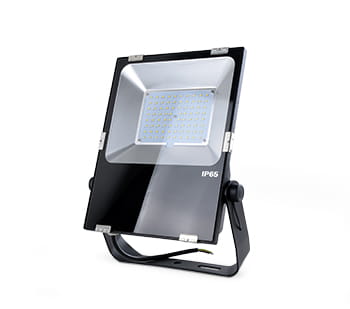
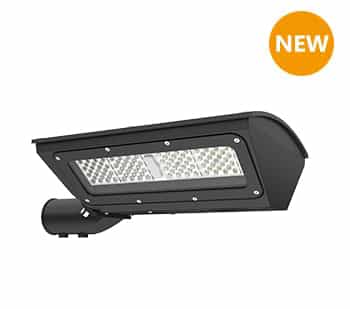
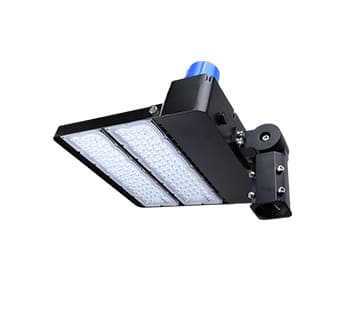
When it comes to government projects, ensuring compliance with required certifications for solar and energy-efficient systems is vital. Specifically, Pluto LED street lights must meet various regulatory standards to be considered for public installation. These certifications not only guarantee safety but also ensure efficiency and quality in lighting services. In this article, we will outline the essential certifications required for Pluto LED street lights, focusing on user queries and concerns that overseas buyers may have.
UL Certification, or Underwriters Laboratories certification, is critical as it verifies that products meet safety standards. For street lights, this certification ensures that the fixtures are durable and can withstand various environmental conditions.
The CE marking indicates compliance with European health, safety, and environmental protection standards. For government projects, this marking is essential for products being sold in the European market.
Restriction of Hazardous Substances (RoHS) compliance ensures that the LEDs do not contain dangerous materials. It is necessary for the safety of both installers and end-users, making it crucial for government-facilitated projects.
The International Organization for Standardization (ISO) certification represents a global standard for quality management systems. Manufacturers with ISO certifications often produce more reliable products, making these LEDs a safer option for government projects.
The DesignLights Consortium (DLC) offers a Premium designation for lighting products that meet stringent performance criteria. This certification helps municipalities save on energy costs and meets government sustainability goals.
Compliance with required certifications is often mandated by law for government-funded projects. Failure to comply can lead to project delays or cancellations, impacting budgets and timelines.
Quality assurance through certifications elevates public safety by ensuring that the street lights installed do not pose a hazard. This is of utmost concern for local governments.
Choosing certified products often results in long-term savings due to their increased efficiency and lowered maintenance needs, allowing budget reallocations for other essential projects.
Governments are increasingly focusing on sustainability. Utilizing compliant LED street lights aligns with these goals, demonstrating commitment to energy efficiency and pollution reduction.
Reliable training and quality assurance in products like Pluto LED street lights can lead to improved public perception and community relations, fostering a better environment for investments.
The certification process involves identifying the necessary certifications, conducting tests that comply with various standards, applying for the certifications, and then monitoring compliance regularly to ensure ongoing adherence.
| Certification | Purpose | Importance for Government Projects |
|---|---|---|
| UL | Safety standards | Essential |
| CE | Health and safety | Critical in EU |
| RoHS | Hazardous materials | Mandatory |
| ISO | Quality management | Enhances credibility |
| DLC | Performance criteria | Energy savings |
The time frame for obtaining certifications can vary, typically ranging from weeks to months, depending on the complexity of tests and documentation required.
If a product fails certification, manufacturers must address the issues raised during testing before reapplying. This can delay project timelines significantly.
Yes, manufacturers must pay various fees, including testing fees, application fees, and possibly annual fees to maintain certification status.
Yes, foreign manufacturers can apply for certifications applicable in their export markets, although they might need to work with local agencies for compliance.
Ongoing compliance ensures that products continue to meet safety and performance standards, protecting the public and maintaining manufacturer reputation.
In conclusion, securing the right certifications for Pluto LED street lights is crucial for governments aiming to enhance public safety, meet legal standards, and support sustainability initiatives. By understanding the certification process and its importance, overseas buyers can better navigate their purchasing decisions and align with effective street lighting solutions.
Share the Post
E-mail: william@lampshining.com
Contact Us


Copyright © Lamp Shining Manufacturing Co., Ltd. All Rights Reserved
 1
1