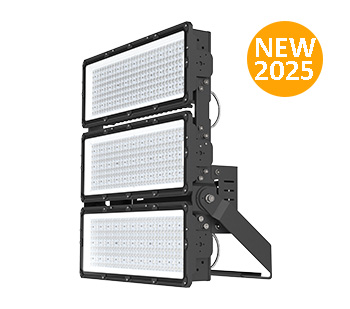
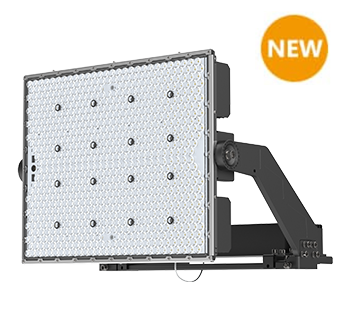
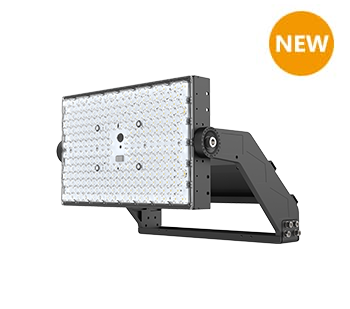
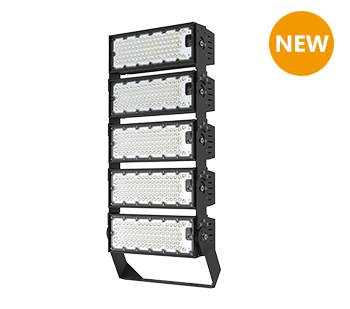
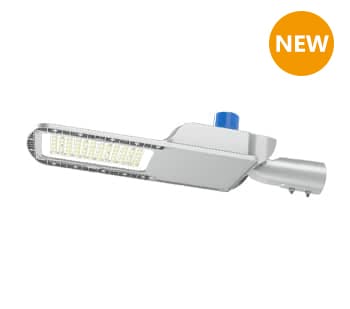
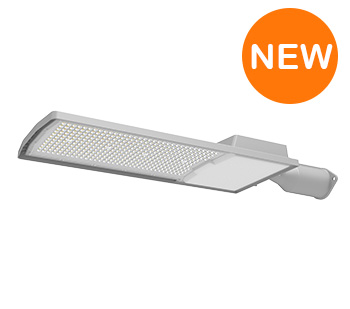
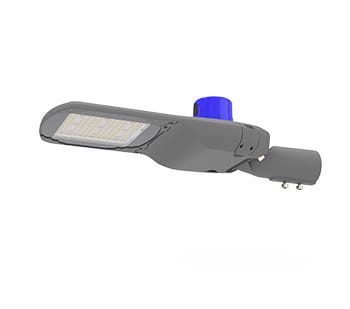
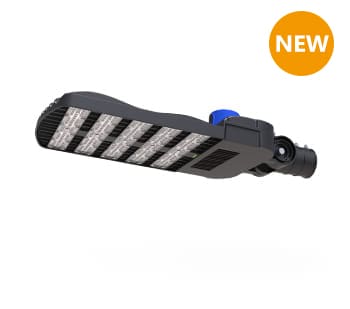
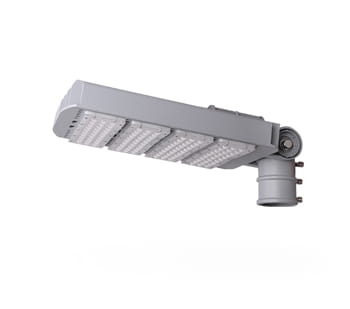
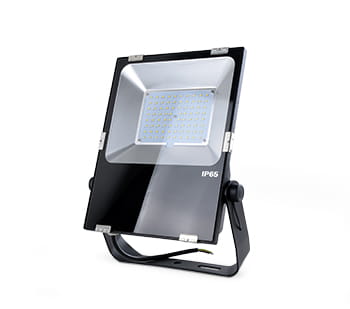
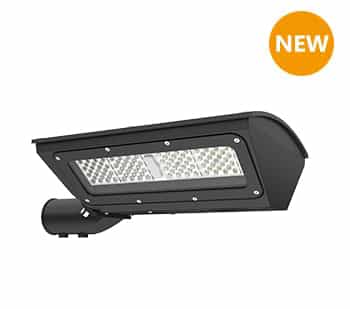
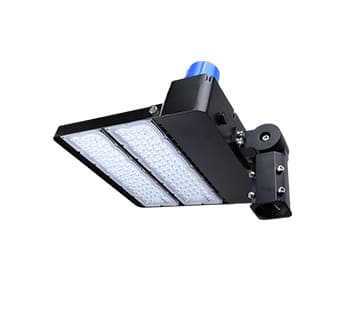
As cities evolve, the demand for efficient, effective, and environmentally friendly street lighting solutions rises. For manufacturers and buyers alike, the comparison between Pluto LED street lights and solar street lights is crucial. These two options address user pain points such as energy consumption, installation costs, and maintenance requirements. This article delves into the key aspects of these lighting technologies and their respective benefits.
Energy efficiency is a primary factor for many buyers when choosing street lighting. Both Pluto LED street lights and solar street lights offer eco-friendly options, but they differ in their consumption and output.
Pluto LED street lights consume less energy due to their efficient design and technology. In contrast, solar street lights rely on solar panels to harness energy from the sun, which can vary based on weather conditions.
Installation costs can significantly impact the decision-making process. Understanding the financial implications is vital for overseas buyers and distributors.
Pluto LED street lights usually have a lower installation cost compared to solar street lights, as they do not require extensive ground preparation or solar panel installations.
Maintenance is an ongoing expense and concern for many municipalities and organizations. Let's explore the maintenance needs for both lighting solutions.
Pluto LED street lights have a longer lifespan, often exceeding 50,000 hours, requiring minimal maintenance. Solar street lights, while generally low maintenance, may require periodic checks to ensure solar panel efficiency and battery health.
Both lighting options aim to minimize carbon footprints. The choice between them can reflect a commitment to sustainability.
Pluto LED street lights contribute to reduced energy consumption and longer-lasting solutions, while solar street lights utilize renewable energy, directly lowering greenhouse gas emissions during operation.
Real-world case studies can provide crucial insights into the performance and efficiency of both street light types.
| Criteria | Pluto LED Street Lights | Solar Street Lights |
|---|---|---|
| Average Lifespan | 50,000 hours | 30,000 hours |
| Energy Source | Electricity | Solar Power |
| Installation Cost | Lower | Higher |
| Maintenance | Minimal | Periodic |
Gathering feedback from users can illuminate the pros and cons of each type of street light.
Users of Pluto LED street lights often report satisfaction with their brightness and low energy costs, while solar street light users appreciate their ecological benefits.
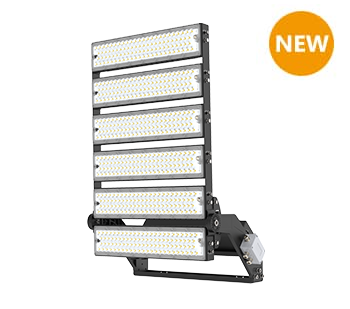
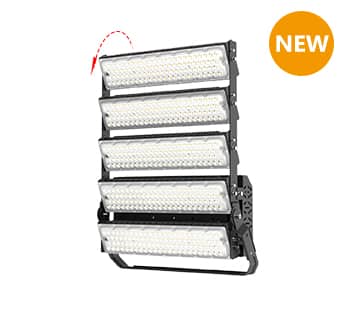
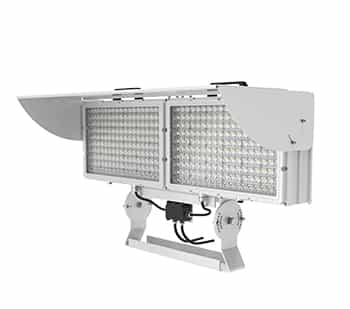
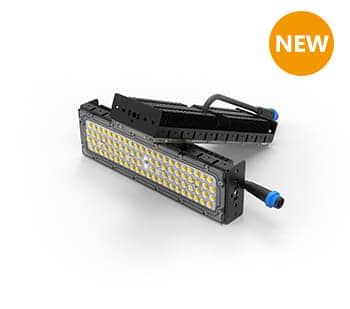
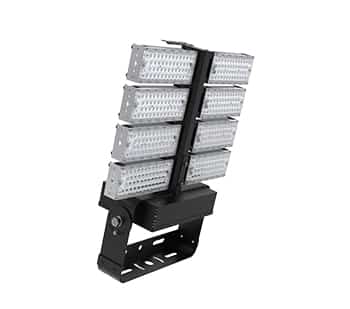
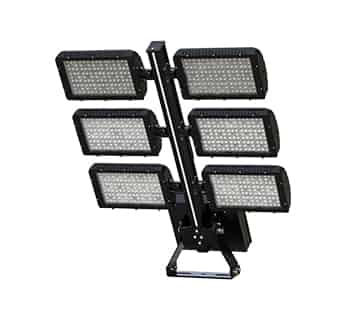
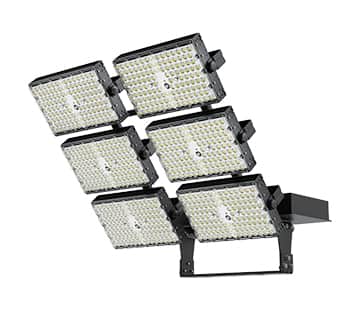
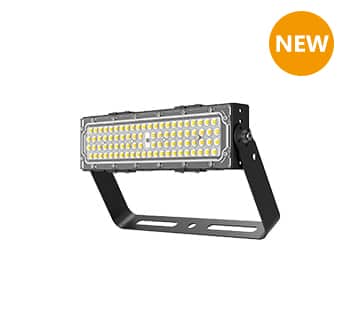
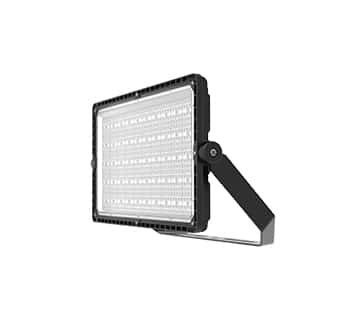
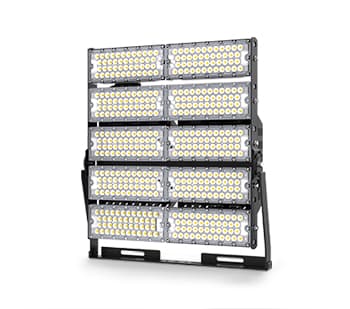
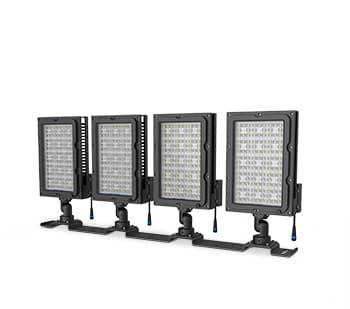
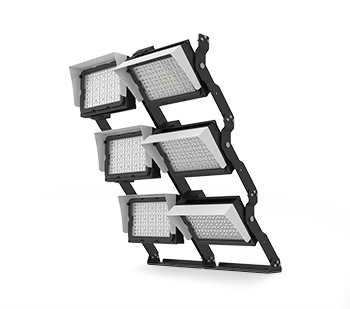
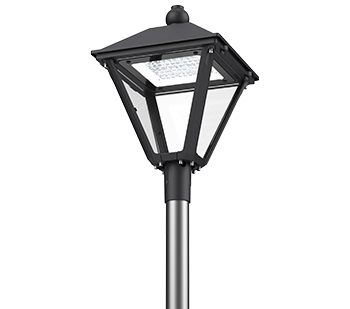
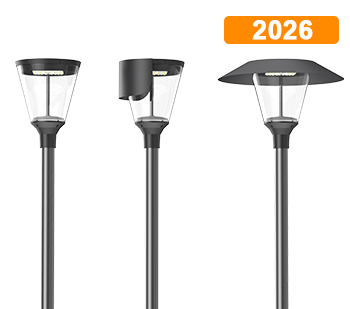
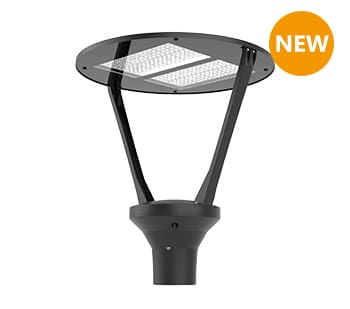
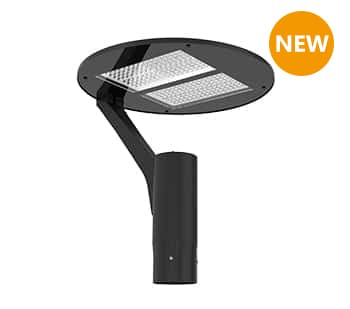
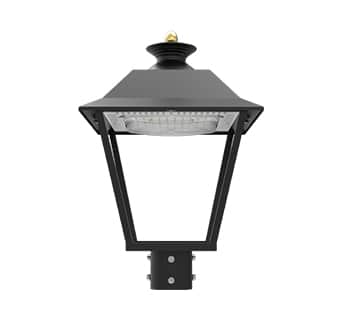
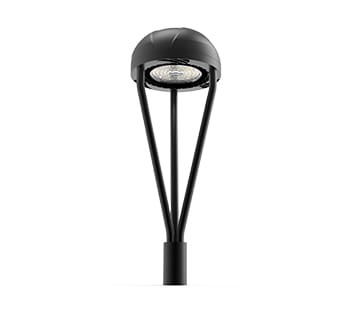
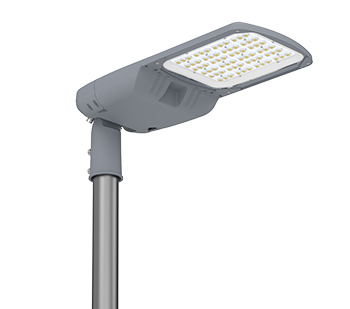
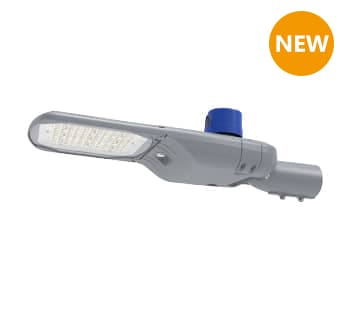
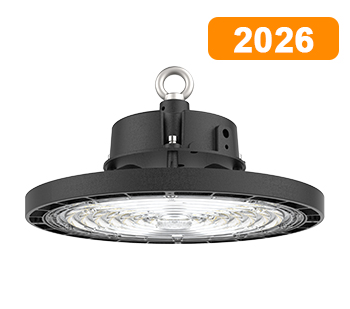
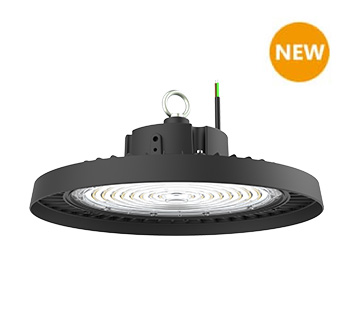
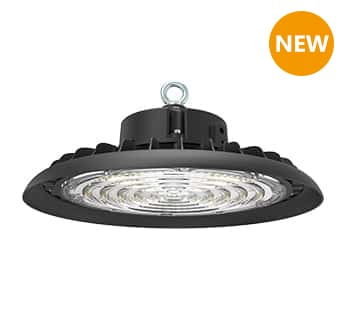
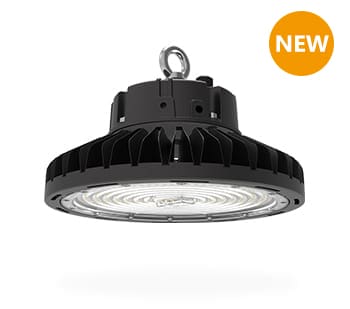
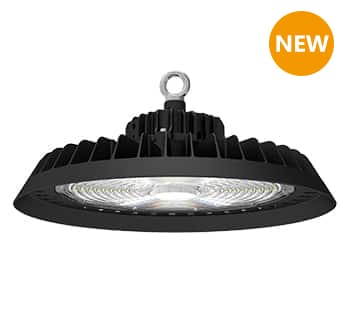
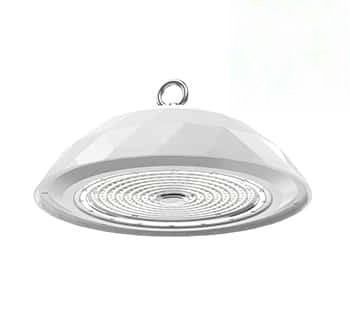
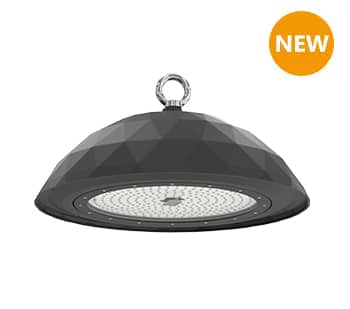
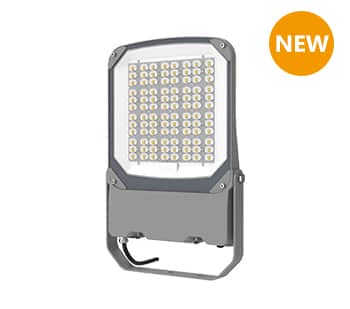
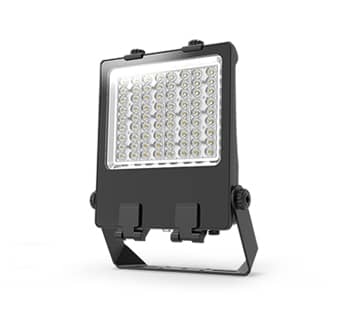
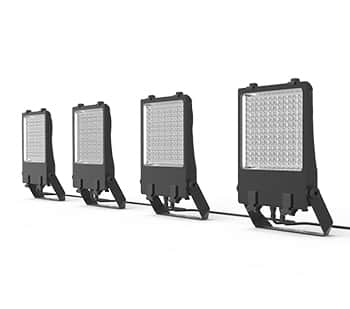
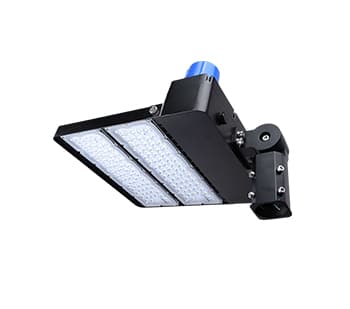
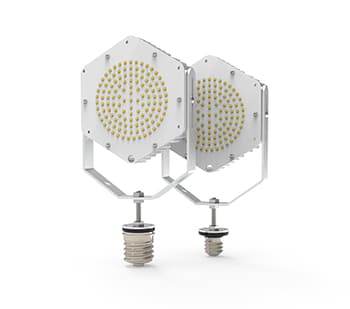
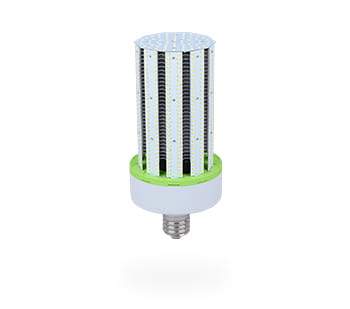
Visual information can be critical in understanding the differences between these products.
Choosing between Pluto LED street lights and solar street lights depends on specific user needs, including budget constraints, environmental considerations, and installation preferences. For those prioritizing low energy costs and maintenance, Pluto LED street lights may be the optimal choice. Meanwhile, users focused on renewable energy solutions may lean towards solar street lights.
Whether your choice is Pluto LED street lights or solar street lights, it's essential to weigh the benefits against your specific requirements to make the best decision for your lighting needs.
Share the Post
E-mail: william@lampshining.com
Contact Us


Copyright © Lamp Shining Manufacturing Co., Ltd. All Rights Reserved
 1
1