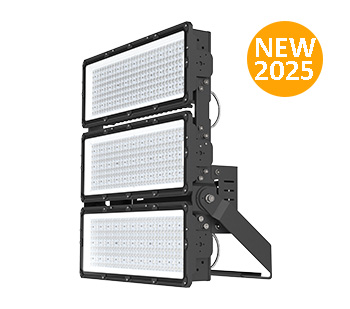
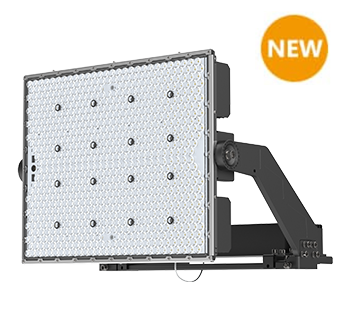
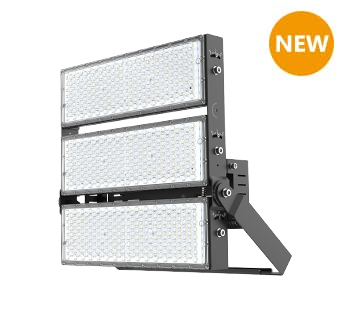
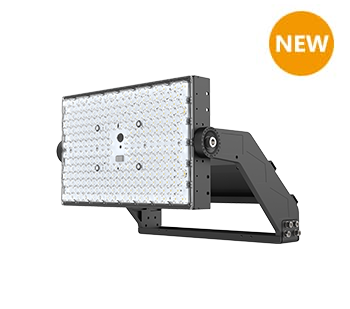
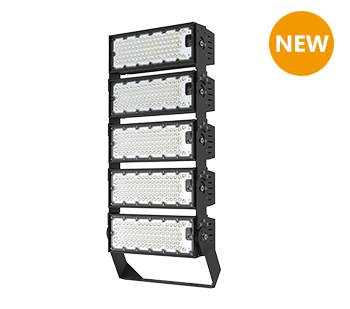
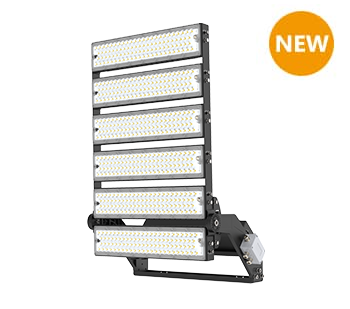
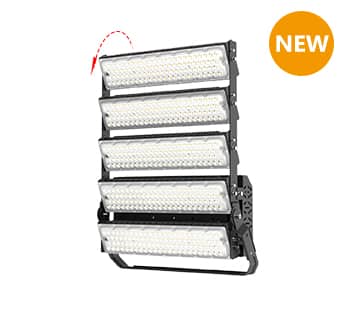
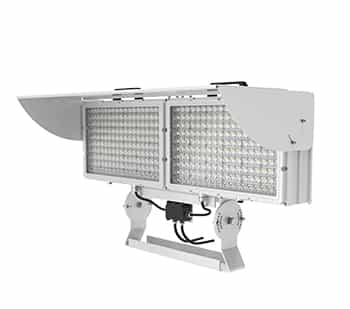
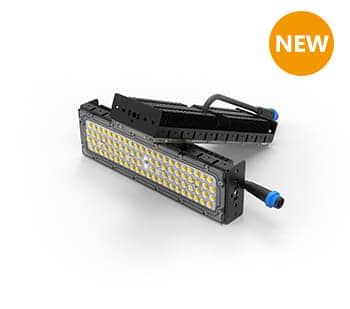
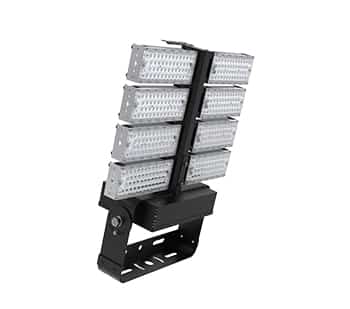
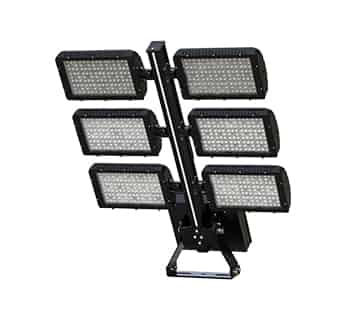
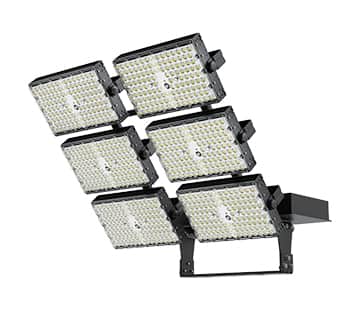
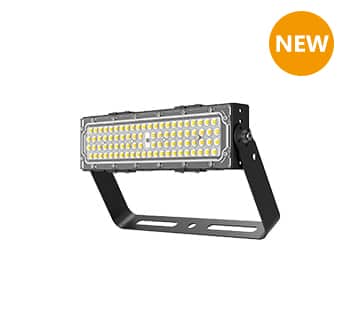
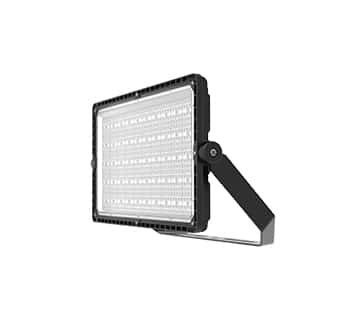
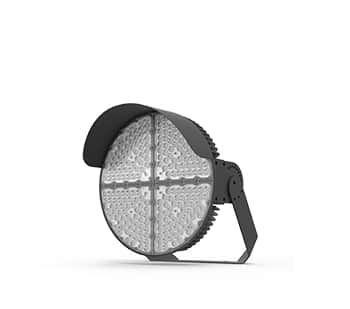
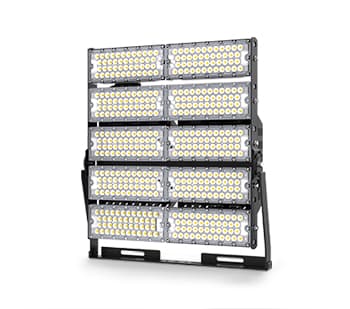
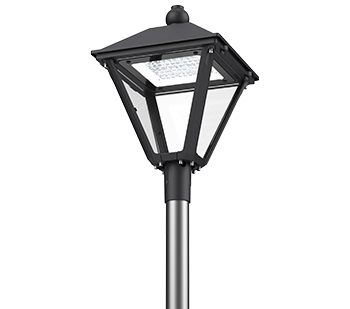
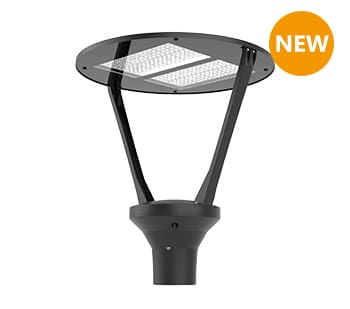
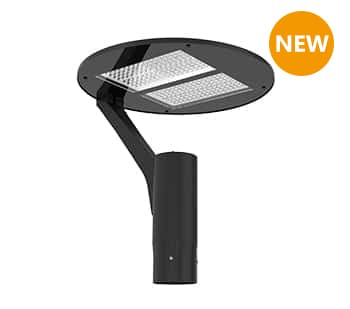
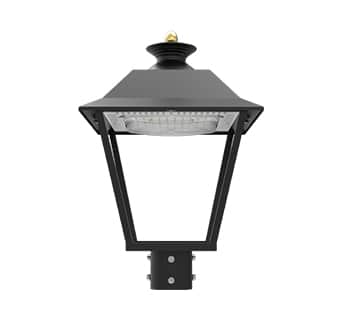
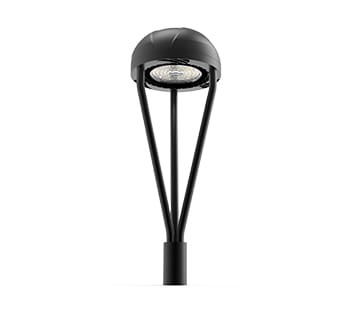
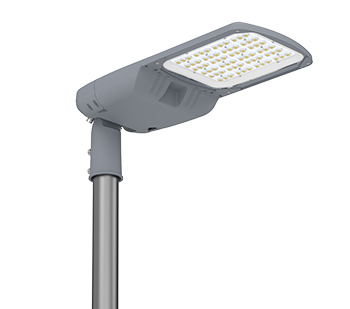
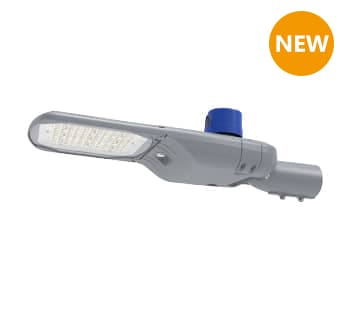
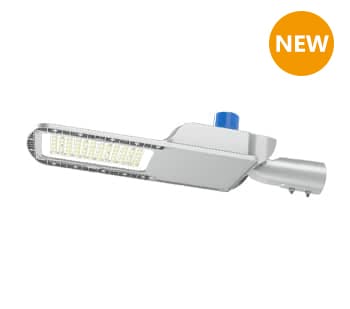
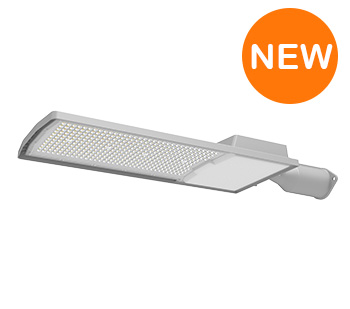
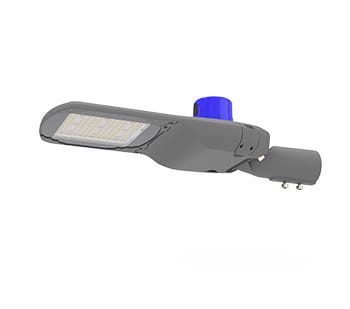
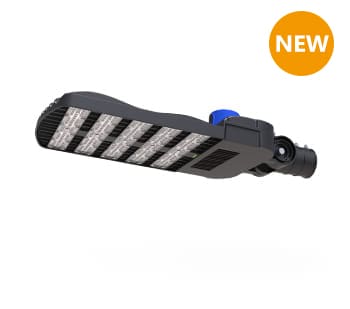
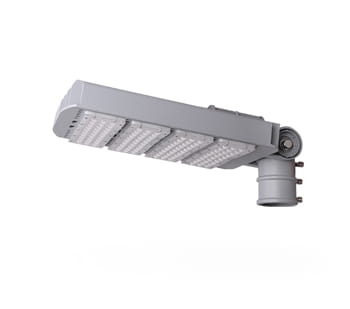
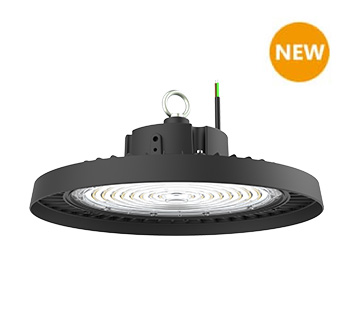
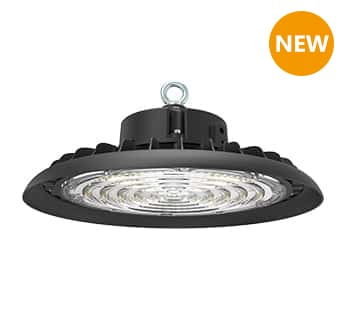
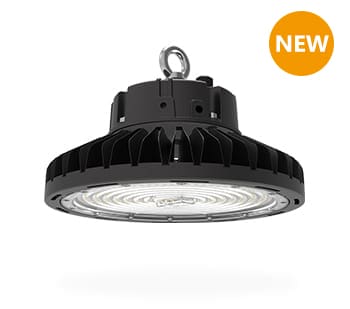
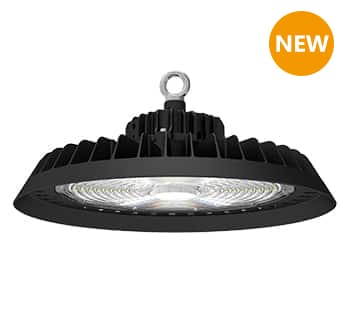
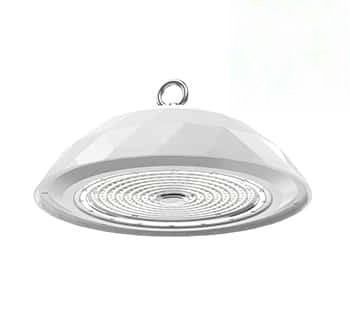
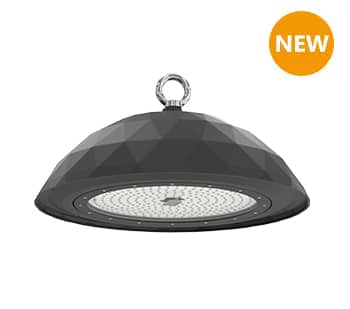
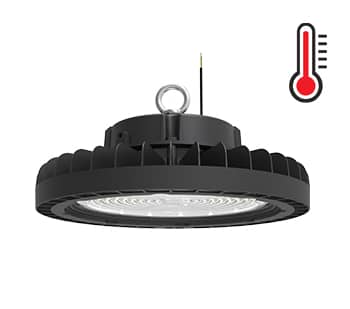
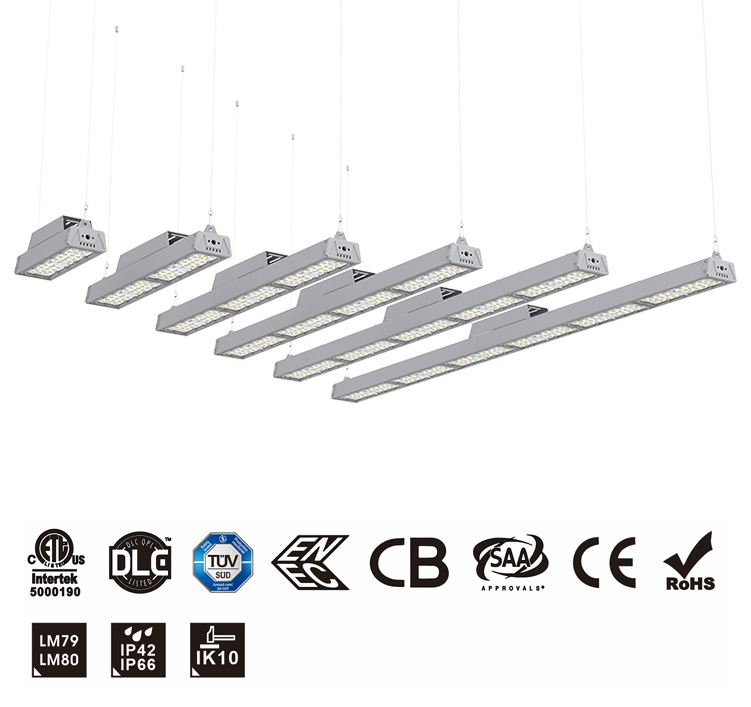
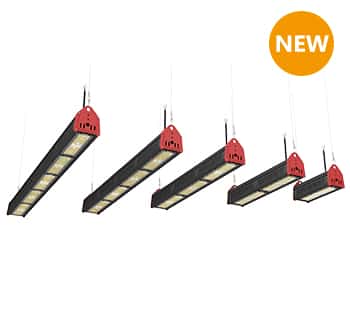
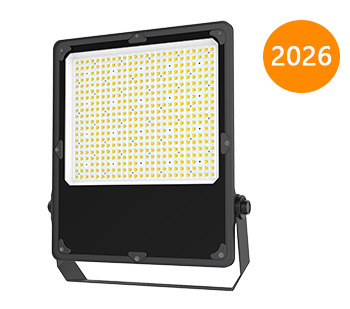
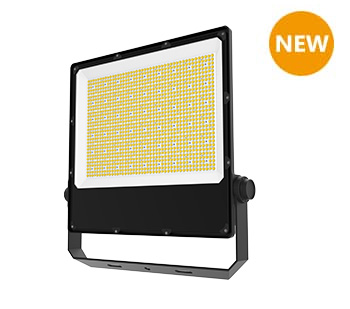
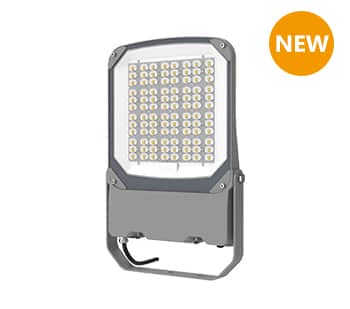
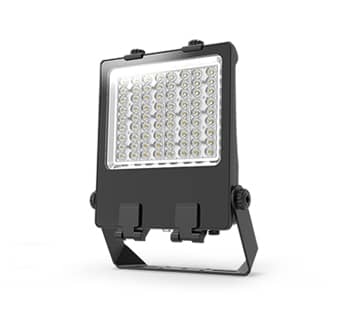
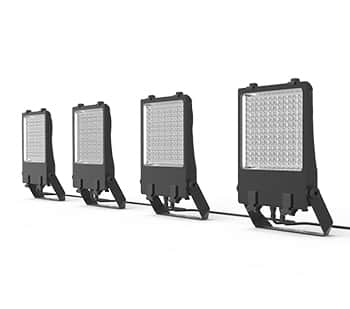
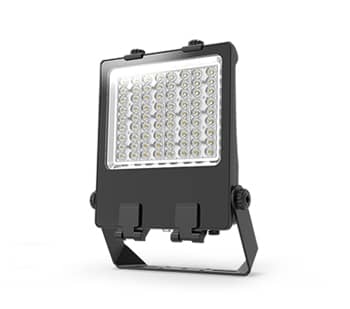
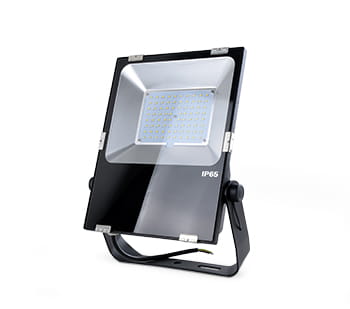
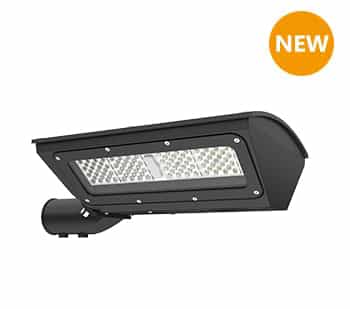
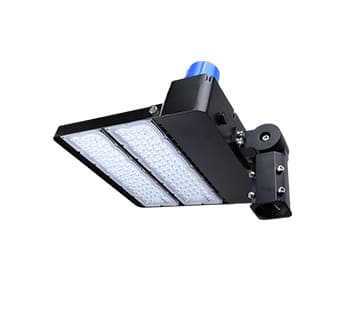
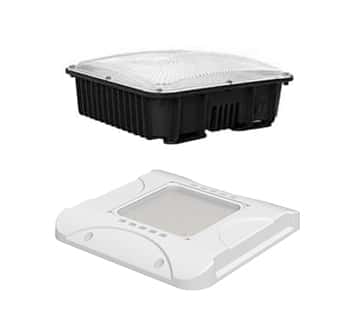
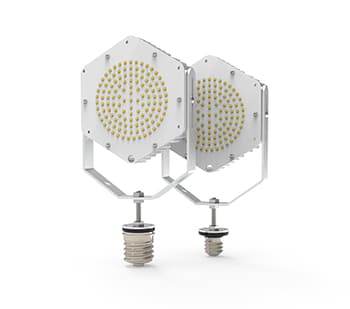
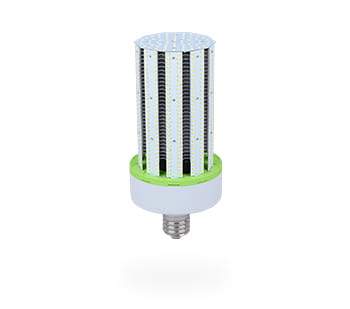
Pluto LED street lights are changing the way cities illuminate their streets. Traditional street lights have served us for years, but they are not very energy-efficient. Many municipalities face high energy costs and maintenance challenges with old-fashioned lighting. This has led to a growing interest in energy-saving solutions such as LED technology. As cities assess their lighting options, it's vital to understand how upgrading to Pluto LED street lights can impact their return on investment. Are they worth the switch? Let’s explore this further.
Pluto LED street lights provide a significantly better return on investment compared to traditional street lights due to reduced energy costs, lower maintenance expenses, and longer lifespan.
Pluto LED street lights consume less energy than traditional lights. A typical LED street light uses about 50% less energy than an incandescent bulb. This means lower electricity bills.
Additionally, LED technology converts up to 90% of consumed energy into light, minimizing waste.
Pluto LED street lights boast a lifespan of 50,000 hours or more. In contrast, traditional street lights often last only 15,000 hours. This longer lifespan reduces the frequency of replacements and repairs.
As a result, cities can save significantly on maintenance costs over time.
LED technology offers superior brightness compared to traditional street lights. It provides clear and better visibility, which enhances safety for pedestrians and drivers.
Pluto LED lights also come with adjustable brightness settings, allowing for optimal light levels based on traffic conditions.
Switching to Pluto LED street lights contributes to lower carbon emissions. Traditional street lights contribute significantly to greenhouse gas emissions due to their higher energy consumption.
LED lights are environmentally friendly, helping cities strive for sustainability goals.
When comparing Pluto LED street lights to traditional lights, municipalities can see substantial cost savings over time. Below is a table that highlights these differences:
| Features | Pluto LED Street Lights | Traditional Street Lights |
|---|---|---|
| Energy Consumption | 50% less | 100% |
| Lifespan (hours) | 50,000 | 15,000 |
| Maintenance Frequency | Low | High |
| CO2 Emissions | Low | High |
| Initial Cost | Higher | Lower |
| Total Savings (5 years) | High | Low |
Over a five-year period, Pluto LED street lights not only recover their higher initial costs but also offer substantial savings in energy and maintenance.
In summary, the ROI comparison between Pluto LED street lights and traditional street lights clearly shows that upgrading to LED technology is beneficial. Both energy savings and reduced maintenance costs contribute to a stronger return on investment. Cities looking to enhance their lighting infrastructure should consider the long-term advantages of Pluto LED street lights.
1. What makes Pluto LED street lights more energy-efficient than traditional lights?
Pluto LED street lights use advanced technology that converts more energy into light, reducing waste and energy consumption.
2. How long do Pluto LED street lights last?
Pluto LED street lights can last over 50,000 hours, much longer than traditional street lights.
3. Are there any environmental benefits to using LED street lights?
Yes, LED lights reduce carbon emissions and help cities achieve sustainability goals.
4. How do I calculate the ROI of switching to Pluto LED street lights?
To calculate ROI, consider factors such as energy savings, maintenance costs, and the lifespan of the lights.
5. Are the initial costs of Pluto LED street lights worth it?
Yes, despite a higher initial cost, the long-term savings on energy and maintenance make them a better investment.
6. Can I adjust the brightness of Pluto LED street lights?
Yes, many Pluto LED street lights come with adjustable brightness settings to optimize light levels.
Share the Post
E-mail: william@lampshining.com
Contact Us


Copyright © Lamp Shining Manufacturing Co., Ltd. All Rights Reserved
 1
1