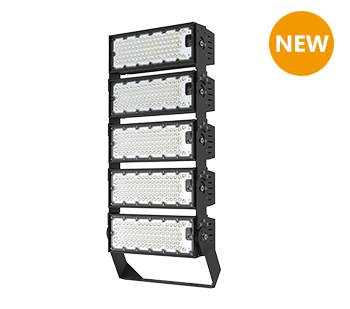
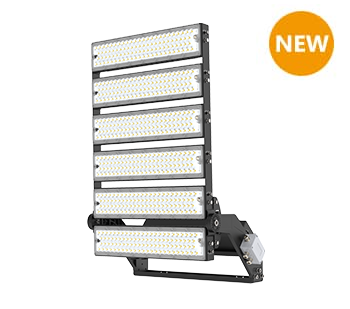
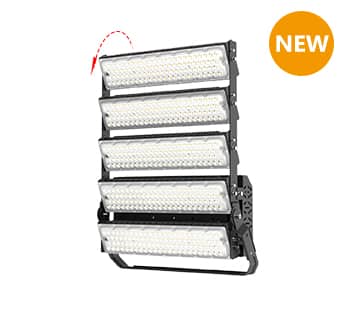
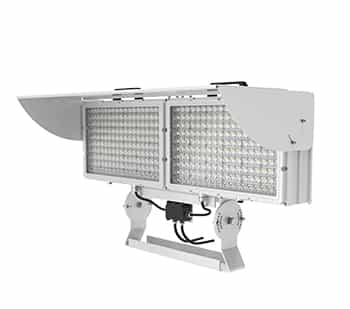
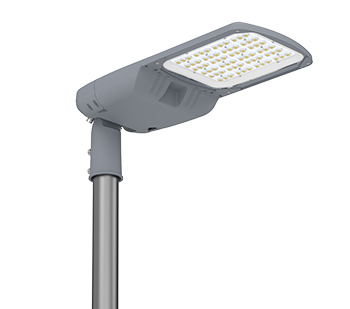
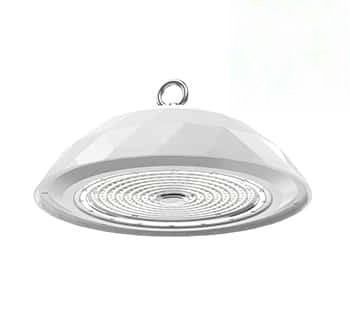
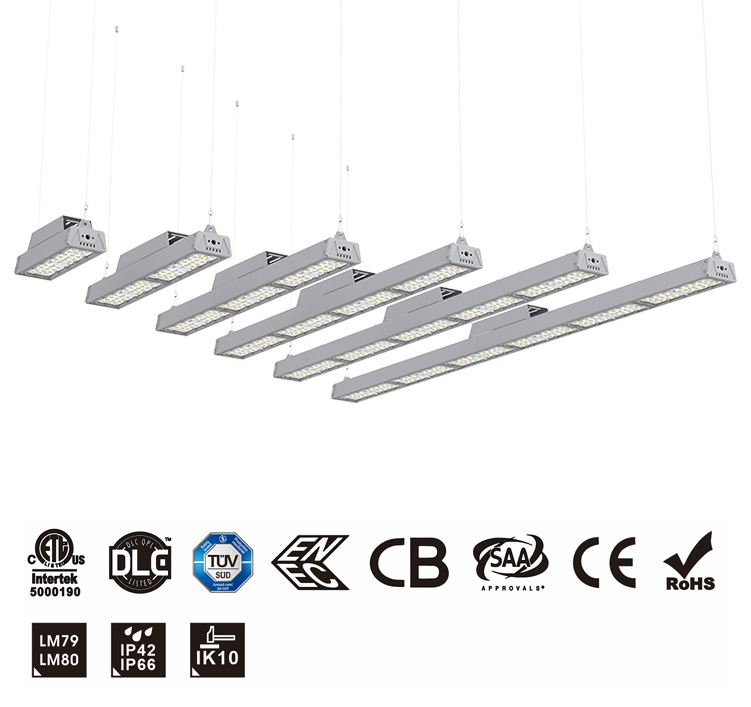
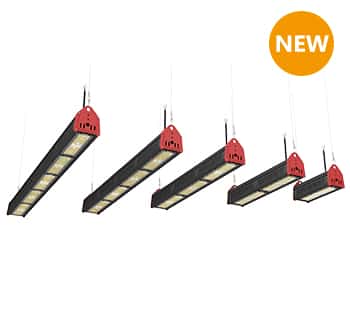
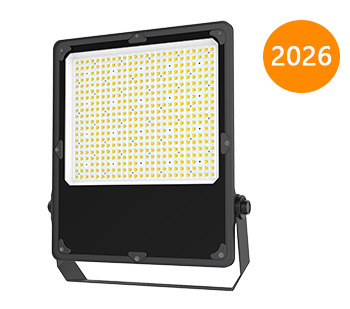
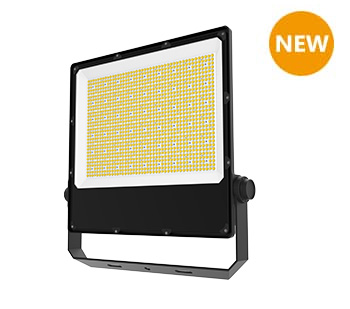
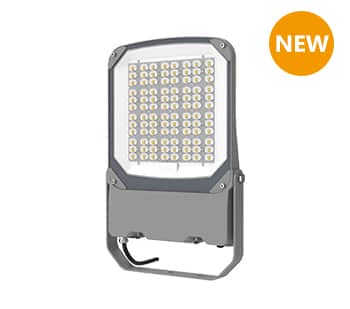
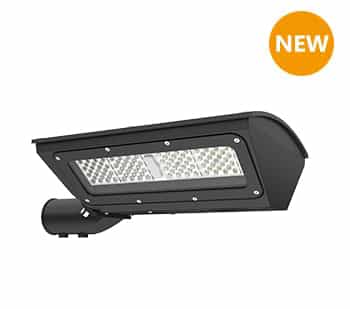
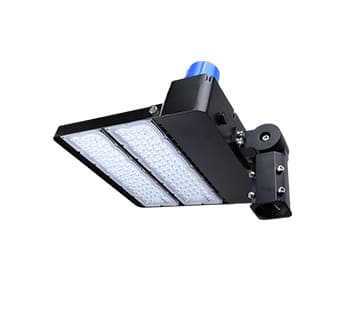
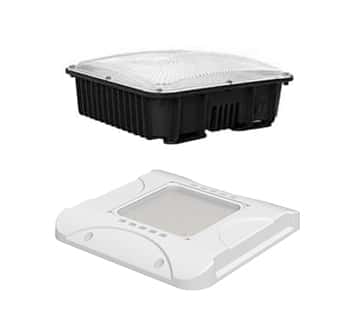
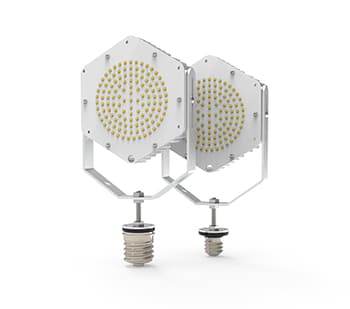
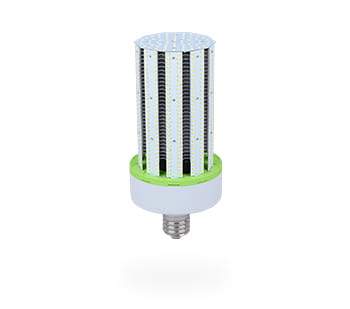
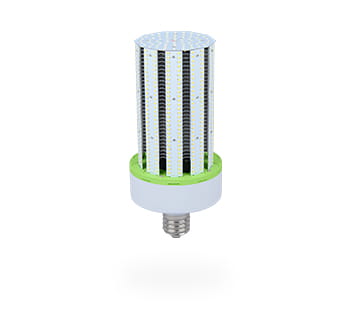
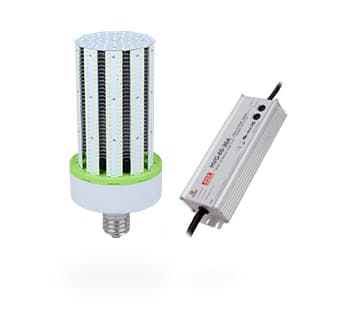
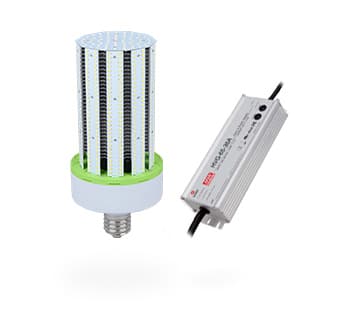
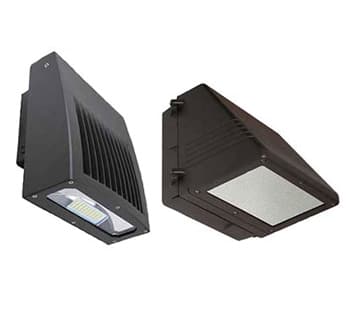
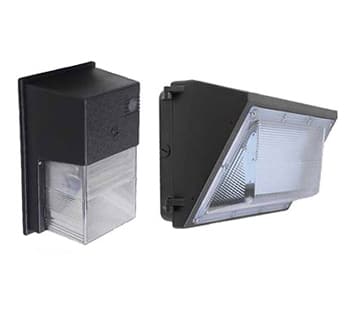
LED lighting offers an energy-efficient and versatile solution for various lighting needs, from home interiors to outdoor setups. For beginners interested in transitioning to LED lights, understanding their benefits, types, and installation tips is crucial. In this guide, we\'ll explore essential LED light solutions, helping you make informed decisions while maximizing your energy savings and enhancing your space with stylish lighting solutions.
1. Understanding LED Lighting: What Makes It Different?
- Definition of LED (Light Emitting Diode)
- Comparison with traditional lighting (incandescent, fluorescent)
- Benefits of LED lights:
- Energy efficiency
- Long lifespan
- Lower heat emission
- Environmental impact considerations
2. Different Types of LED Lights Available
- Bulbs:
- Standard LED bulbs
- Dimmable options
- Smart LED bulbs with remote control capabilities
- Strips and Panels:
- LED strip lights for soft illumination
- Flush-mount LED panels for commercial spaces
- Specialty LEDs:
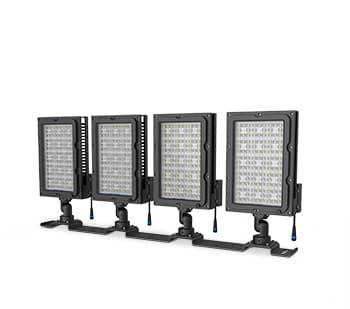
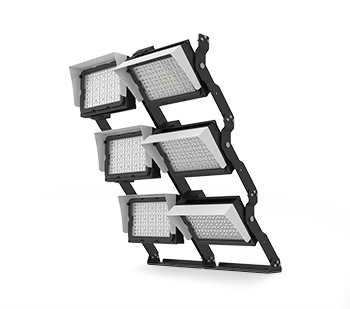
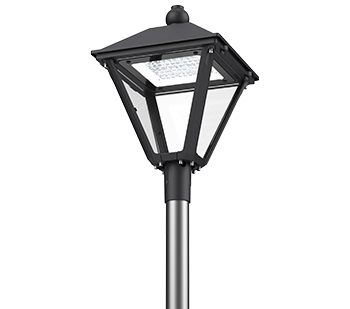
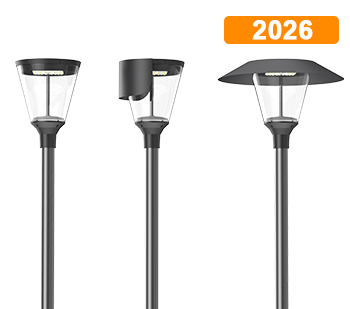
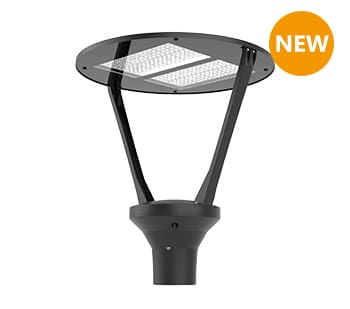
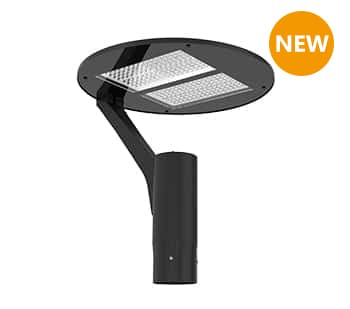
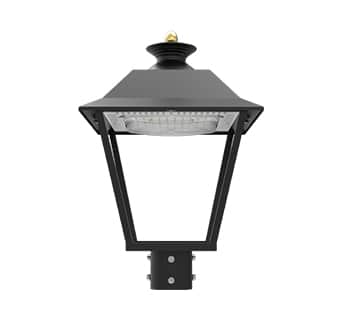
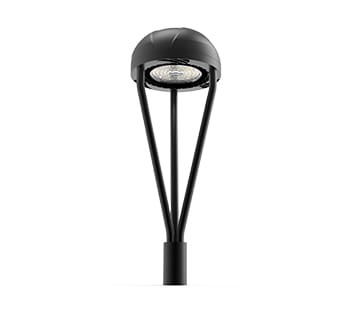
- Outdoor lighting solutions
- Accent and decorative lights
3. How to Choose the Right LED Lighting for Your Needs
- Assess your lighting requirements based on the space:
- Living room vs. workspace
- Natural light availability
- Consider color temperature (warm vs. cool light)
- Understanding lumens and brightness
- Choosing the right mood with color temperature
4. Installation Tips for Beginners
- Gather necessary tools and equipment:
- Screwdriver, clips, mounts
- Safety gear
- Follow installation guides for different types of LEDs:
- Replacing traditional bulbs
- Installing LED strips and fixtures
- Safety considerations before installation
5. Energy Saving and Cost Benefits of LED Lights
- How LED lights significantly reduce electricity bills
- Comparative energy consumption data
- Example calculations: Cost savings over the lifetime of LEDs
- Long-term investment: Initial costs vs. lifespan factors
- Understanding the ROI on LED investments
6. Incorporating Smart LED Technology into Your Home
- Advantages of smart LED lighting systems
- Remote control via apps or voice assistants
- Automated schedules and timers
- Popular smart LED products to consider
- Brand comparisons: Philips Hue, LIFX, etc.
- Integration with existing smart home systems
7. Key Considerations for LED Maintenance and Recycling
- Routine maintenance tips to ensure longevity
- Cleaning fixtures and bulbs safely
- Checking for flickering or dimming issues
- Proper recycling methods for LED products
- Local disposal regulations
- Benefits of recycling LED materials

Conclusion
Transitioning to LED lighting can significantly enhance your living spaces while providing numerous advantages, from cost savings to environmental benefits. By understanding your lighting needs and carefully choosing the right products, you can create an energy-efficient and aesthetically pleasing environment.


 1
1