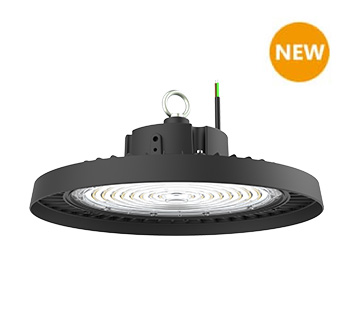
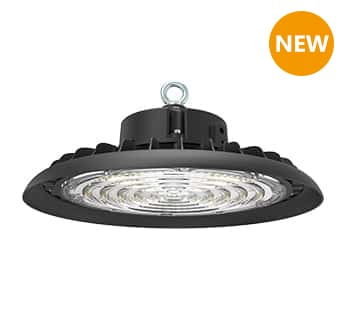
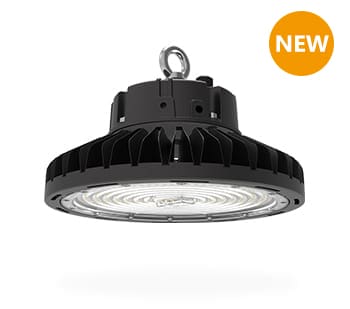
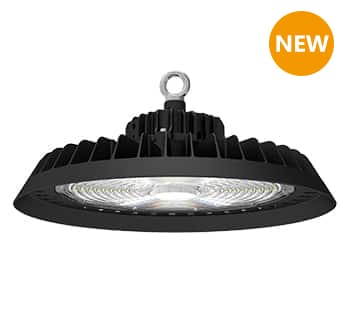
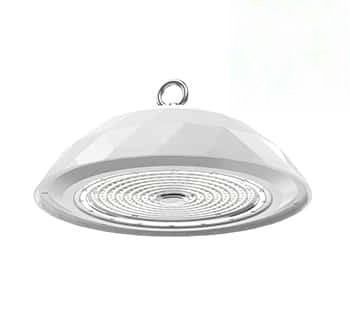
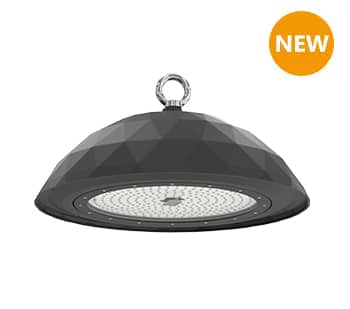
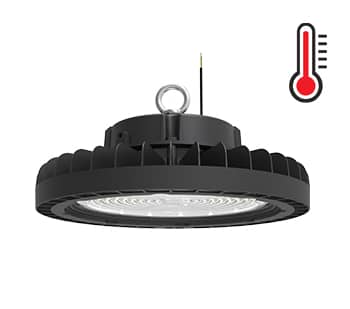
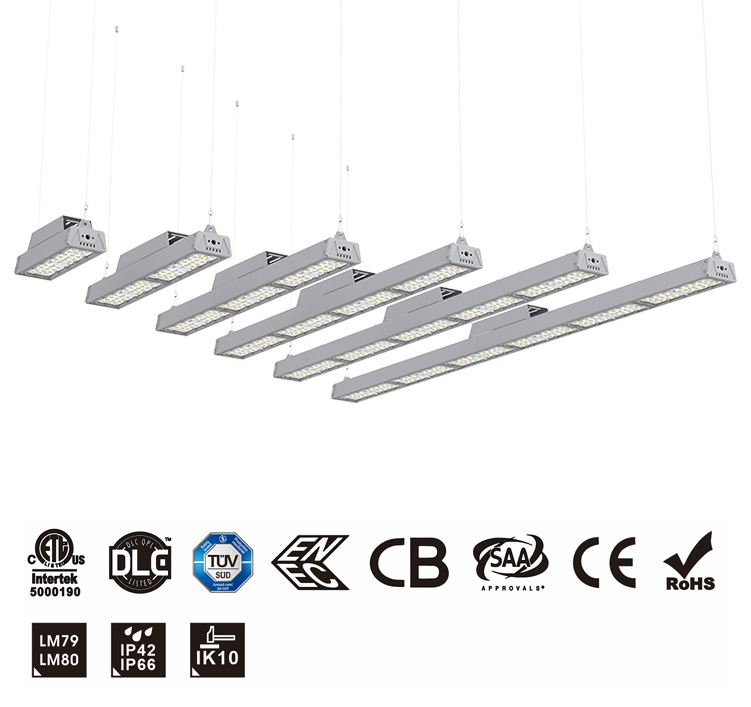
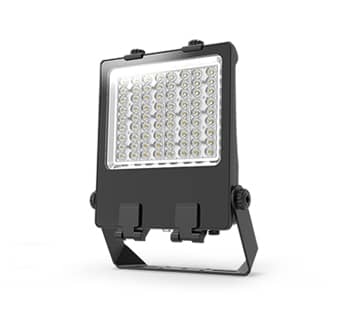
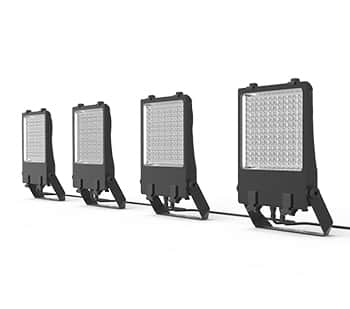
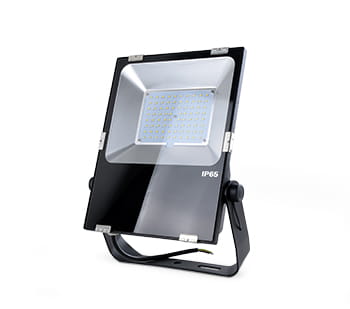
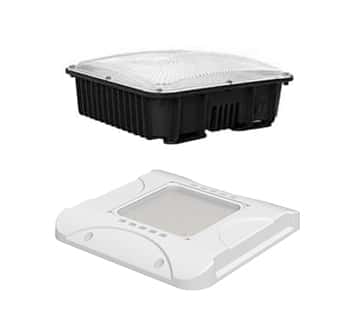
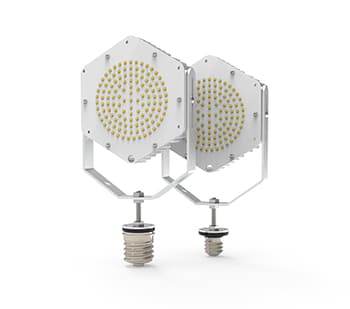
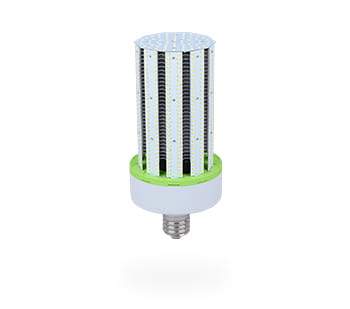
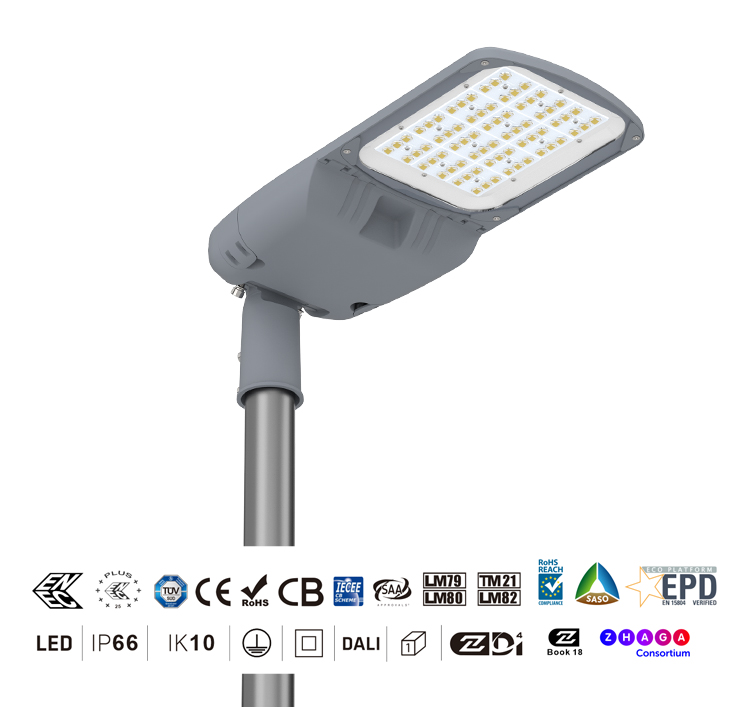
Many homeowners find themselves grappling with exorbitant energy bills, dim lighting, and environmental concerns. These issues stem from outdated lighting solutions that consume excessive energy while providing insufficient illumination. Users often need assistance in transitioning to more efficient options, such as LED lighting, which can reduce energy consumption by up to 75%. Consider the journey of Jake, a homeowner who was spending over $150 on his monthly energy bill. After switching to LED lamps from Lampshining, he saw an immediate decrease in costs and improved lighting quality, ultimately saving over $1,000 annually.
Many users are unaware of the significant advantages associated with LED lighting, such as longevity, energy efficiency, and lower heat output. By switching to LED solutions, individuals can attain a reduction in energy consumption by about 50% compared to traditional incandescent bulbs. Additionally, the average lifespan of an LED bulb is approximately 25,000 hours, which translates to less frequent replacements, saving time and money.
Before making the switch to LED lighting, thoroughly evaluate your existing setup. Identify the types of bulbs you currently use and their wattage. For instance, replacing a standard 60-watt incandescent bulb with a 10-watt LED can maintain similar illumination levels while drastically reducing energy consumption.
Consider calculating your current energy costs. Use the formula: (Wattage of Bulb x Hours Used Per Day x Days Per Month) / 1000 x Cost Per KWh. For example, an incandescent bulb using 60 watts for 5 hours a day results in a monthly cost of approximately $8.70. Conversely, using a 10-watt LED will reduce that cost to about $1.45, leading to monthly savings of around $7.25.
When selecting LED bulbs, consider factors such as color temperature and brightness. Look for bulbs labeled with lumens instead of watts, as lumens measure light output instead of energy consumption. A 10-watt LED typically produces around 800 lumens, replicating the brightness of a standard 60-watt incandescent bulb.
Installing LED lights is typically straightforward. Ensure you have the right tools—a screwdriver may be needed for fixture changes. Simply follow these steps:
Turn off the power to the light fixture.
Remove the existing bulb or fixture.
Install the new LED bulb or fixture according to the manufacturer’s instructions.
Turn the power back on and test the lighting.

1. Choosing the Wrong Bulb: Many users inadvertently select bulbs with incorrect lumen output. Refer to the lumen equivalence chart provided by manufacturers.
2. Incompatible Fixtures: Ensure the LED bulbs are compatible with your existing dimmer switches or light fixtures to avoid flickering or buzzing.
Transitioning to LED light solutions can significantly reduce energy costs and improve lighting quality in any setting. As seen in Jake\'s experience, making the switch can yield substantial long-term savings and environmental benefits. For anyone considering this transition, it is advisable to thoroughly assess your current setup and choose high-quality bulbs from reputable brands like Lampshining to maximize benefits.
Q1: How much can I save with LED lights?
A1: Users can save approximately 50-75% on energy costs by using LED lights compared to traditional bulbs.
Q2: Do LED lights really last longer?
A2: Yes, the average lifespan of LED lights is around 25,000 hours, whereas traditional incandescent bulbs last approximately 1,000 hours.
Q3: Are LED lights more expensive?
A3: While LED lights have a higher initial cost, their energy efficiency and longevity result in lower costs over time.
Share the Post
Related Products
E-mail: william@lampshining.com
Contact Us


Copyright © Lamp Shining Manufacturing Co., Ltd. All Rights Reserved
 1
1